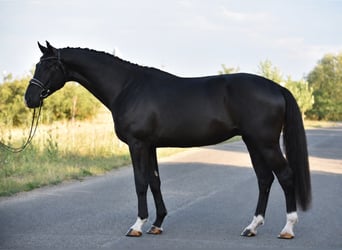
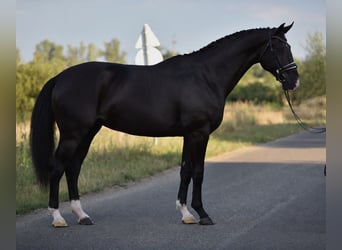
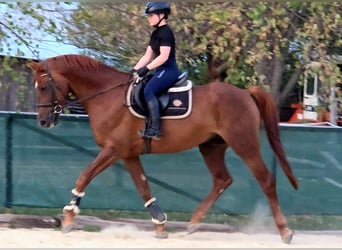
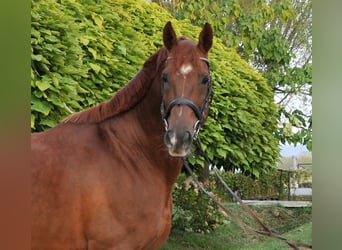
British Warmbloods for sale
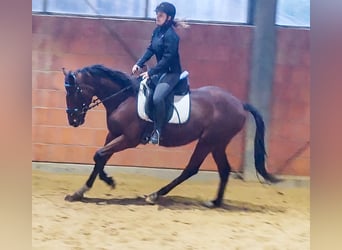
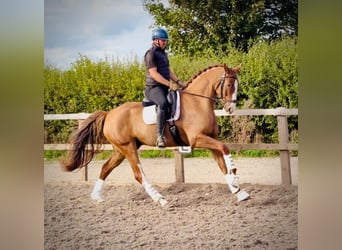
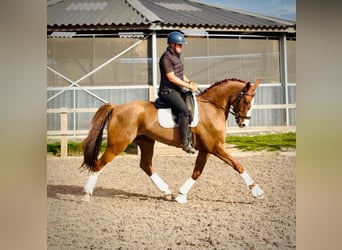
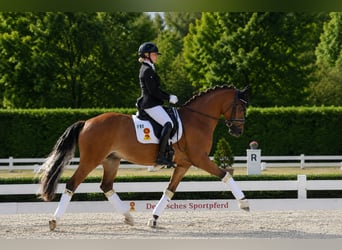
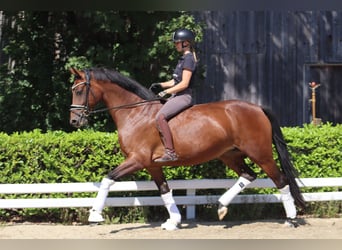
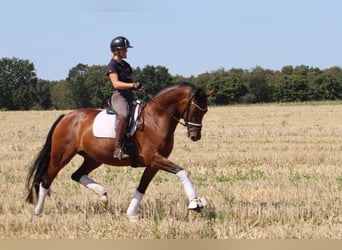
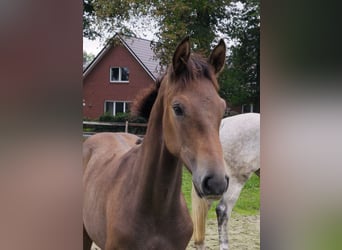
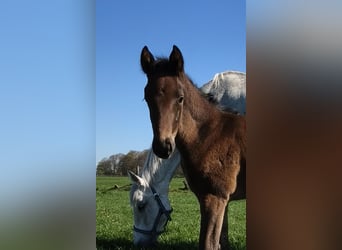
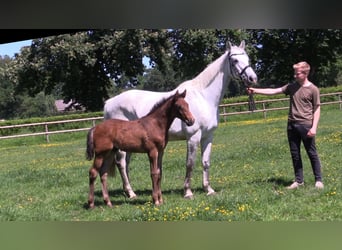
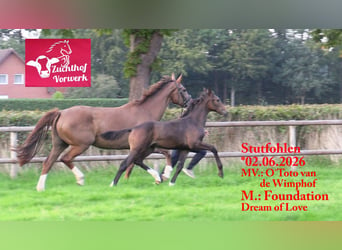
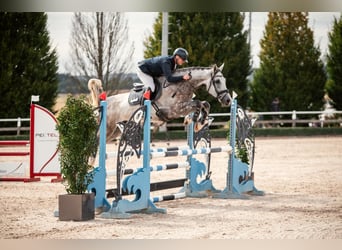
The modern British Warmblood represents the latest advance in breeding after centuries of experience in producing warmblooded horses . Above all, the British Warmblood, like warmbloods of other nations, is a supreme performance and riding horse. Competitive riders can ride a British Warmblood in any equestrian discipline since this horse is an all-rounder, capable of performing well in dressage, eventing and show jumping. British Warmbloods are horses which fulfil certain requirements, rather than meeting specific breed standards. Key to the success of this accomplished competition horse is that producers breed selectively in order to produce a British Warmblood with the right temperament.
Use and Characteristics of the British Warmblood
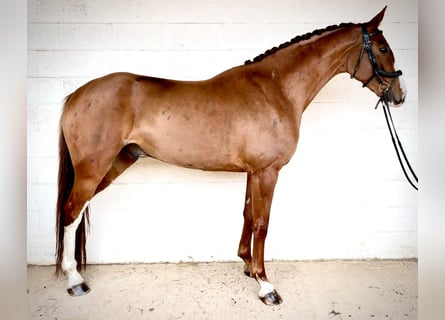
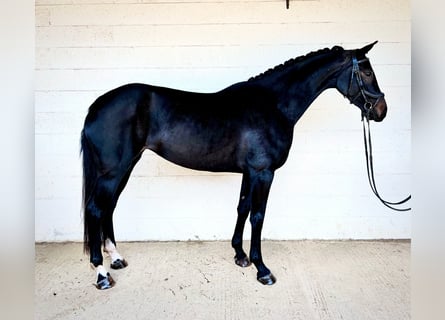
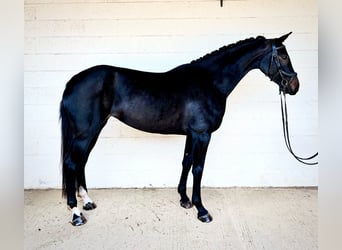
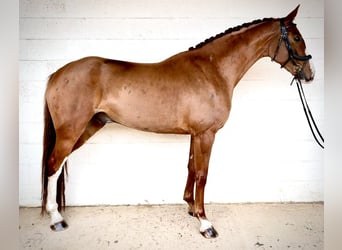
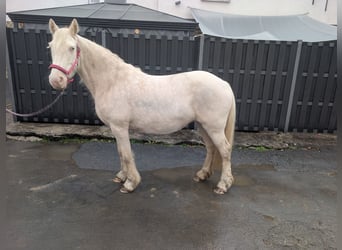
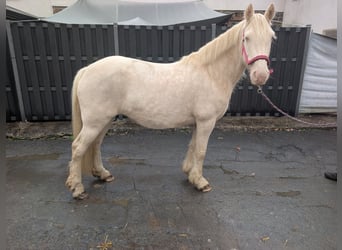
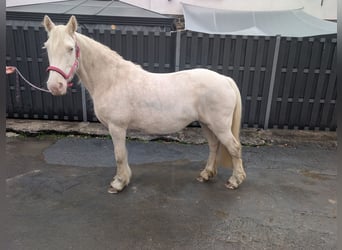
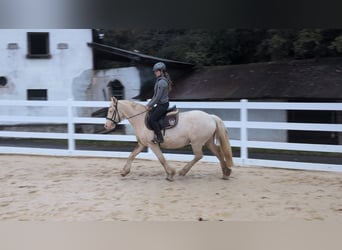
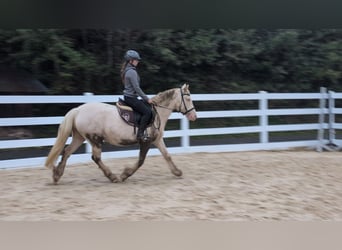
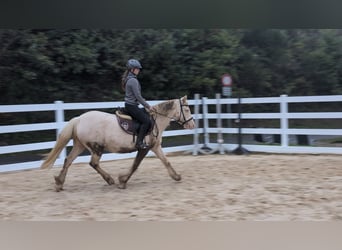
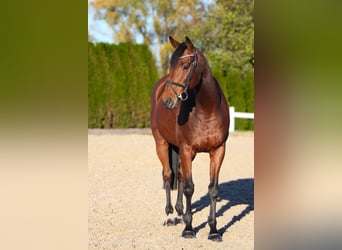
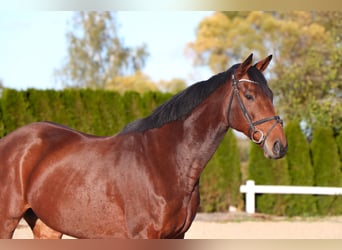
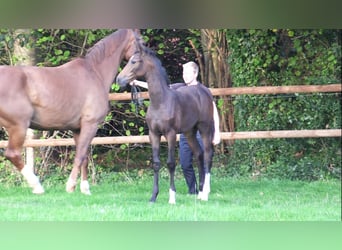
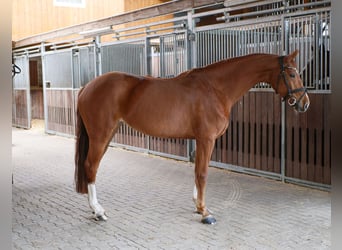
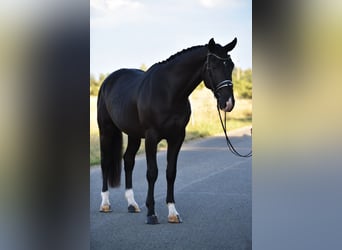
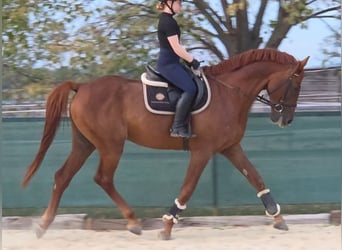
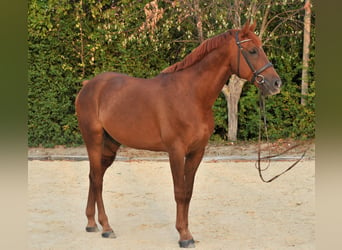
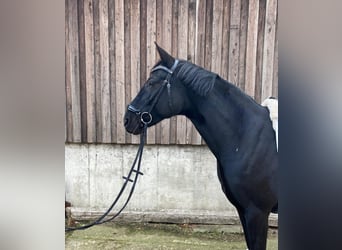
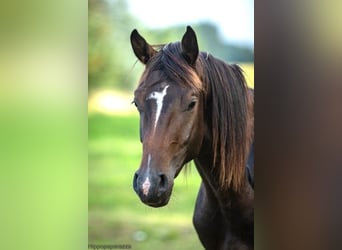
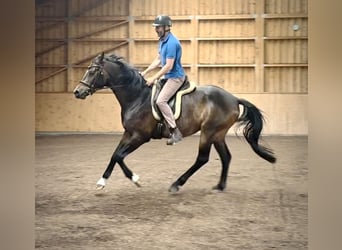
Since the British Warmblood is defined by desirable criteria, rather than breed standards, there are no height specifications or restricted coat colours. However, as most are bred to be performance horses, their height tends to be a minimum of 15.2 hands (62 inches/152 cm) high, with some reaching 17 hands (68 inches/173 cm) high or more. Also, solid colours have always been preferred for competition horses. When equestrians or trainers are selling a British Warmblood, it will mostly be bay, chestnut, black or grey. What distinguishes a British Warmblood is that they are middleweight horses. They are strong and powerful, yet clearly different from draught horses , ponies, cobs and light riding horses.
Origin and breeding history of British Warmbloods
The term warmblood was originally used to describe a cross between a “hot-blooded” horse, such as an Arabian , and a “cold-blooded” horse. The latter term was often used to describe a native European pony or a draught horse like a Shire or Percheron . Nations have produced warmblooded horses for centuries, from the Dutch Gelderland to the British Cleveland Bay . Many breeds that have been established within the last five hundred years are warmblooded breeds . Britain can, with some justification, claim the leading role in the development of warmblooded horses with the creation of the Thoroughbred . This is the outcome of crosses of Oriental stallions and native mares, predominantly Scottish Galloways and Irish Hobbies. The eighteenth and nineteenth centuries were very important periods for the development of warmblooded breeds in Britain. Many of these were bred for a specific purpose, such as Hackneys , Roadsters and Trotters , which were harness horses. Others, like the Cleveland Bay , were versatile harness, farm and saddle horses. A cross of the Thoroughbred and Cleveland Bay resulted in the Yorkshire Coach Horse, an animal so desirable for private driving that it was sold all over the world. A Fell Pony crossed with a Hackney produced the Hackney Pony , a sporty driving pony for road use and a show ring favourite. However, the use of the term warmblood has changed now, as it is more generally applied to medium weight sport horses. It is a very useful shorthand term that is recognised by breeders, trainers and riders globally. It means a horse with a sporty appearance, athleticism, an alert expression and excellent paces. Above all, it is a certain attitude of mind. Today, the needs of the rider usually include building a good partnership with their horse, as well as appreciating its athletic capability.
British Warmbloods in Equestrianism
In 1977, the British Warmblood Society was incorporated, and a stud book was established. This acknowledged Britain’s important historic and contemporary contribution to breeding warmbloods. In a nutshell, a good British Warmblood is made of the “right stuff”, and many different types and breeds of horse will have contributed to its creation.