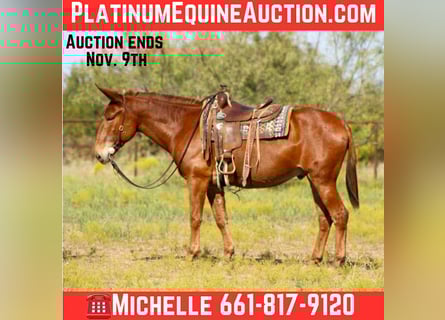
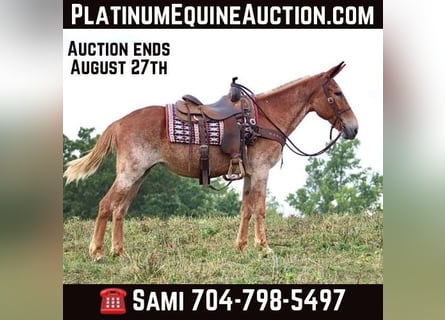
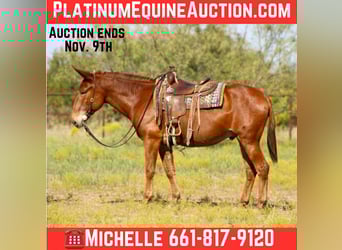
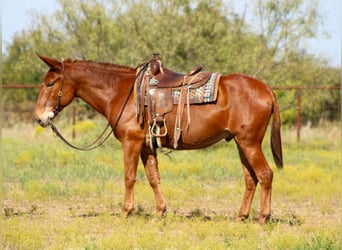
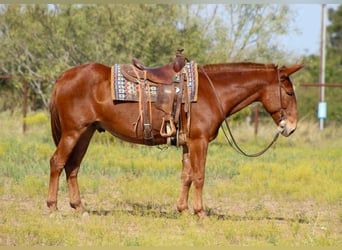
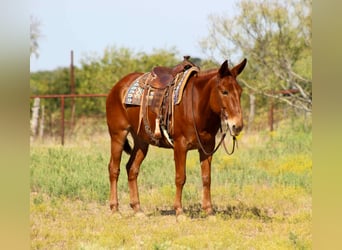
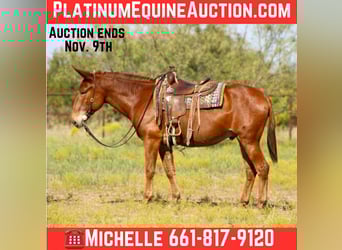
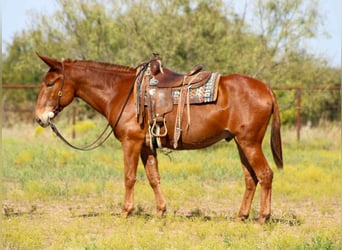
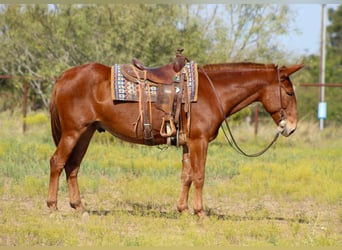
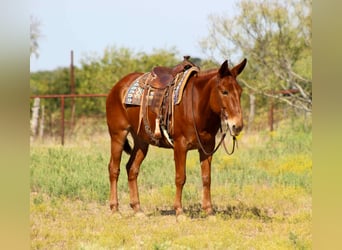
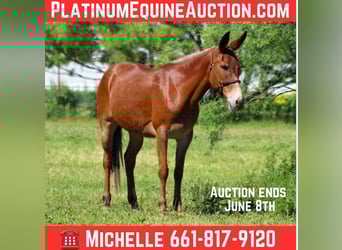
Mule, Gelding, 11 years, 15.1 hh, Sorrel
Place your bids at www.PlatinumEquineAuction.com
Trail · Versatility Ranch Horse
$3,500
~ £2,859





Page-1-Ad
With this option your advertisement will be extra advertised on the top page of search results. It will be listed above the regular search results.
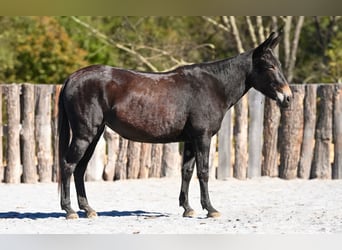
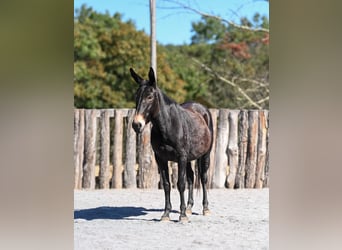
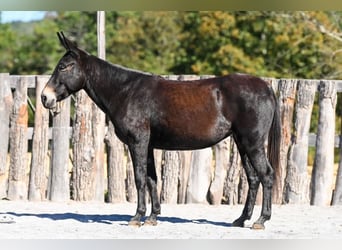
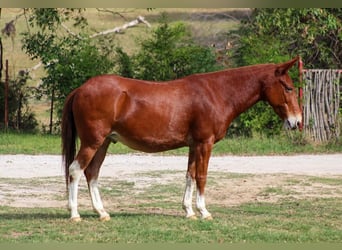
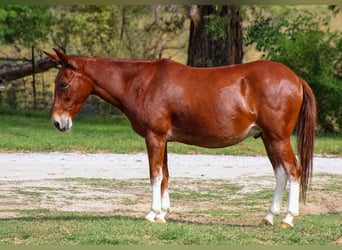

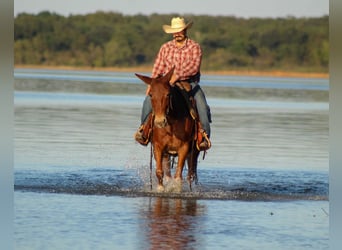

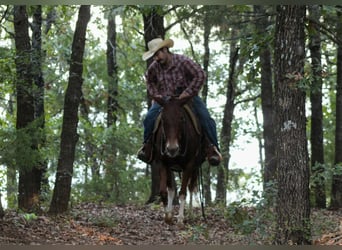
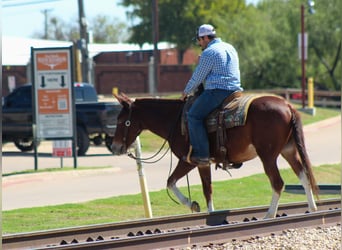
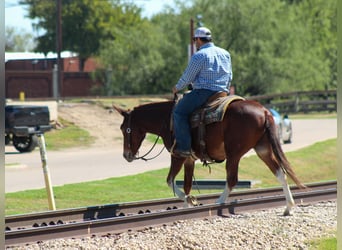
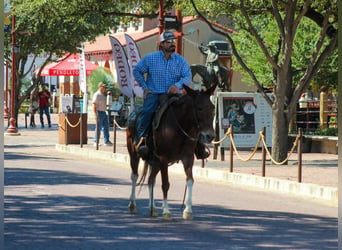
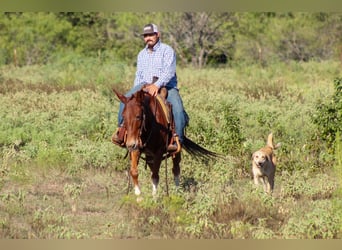
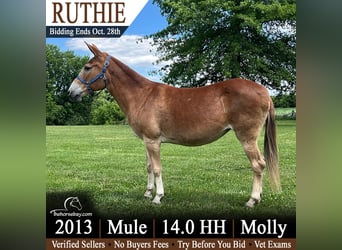
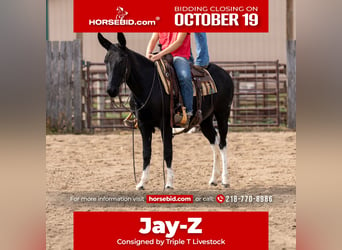
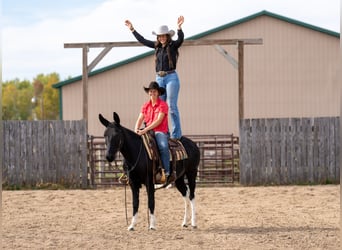
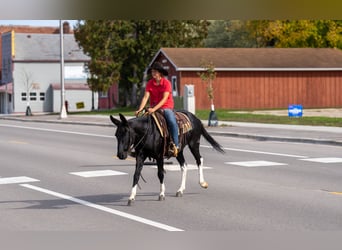
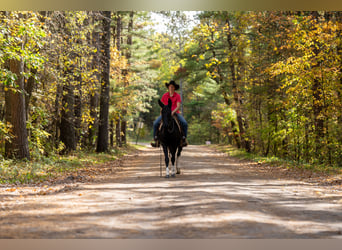
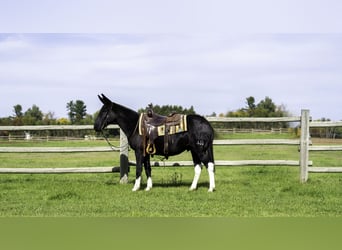
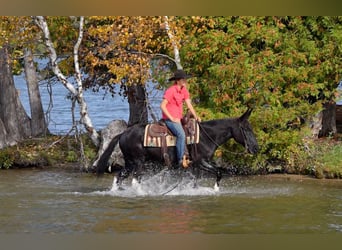
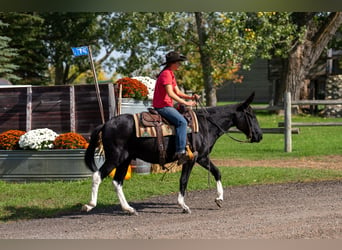
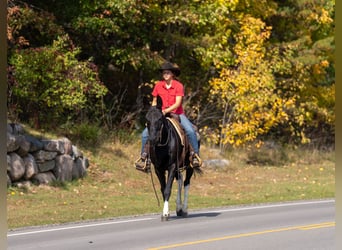
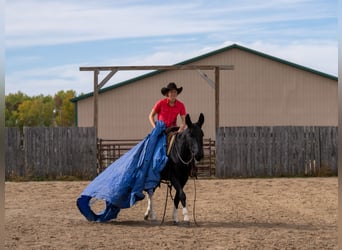
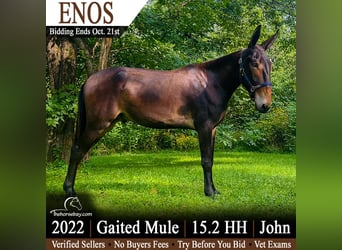
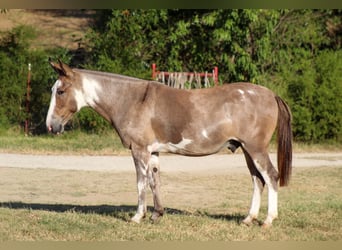
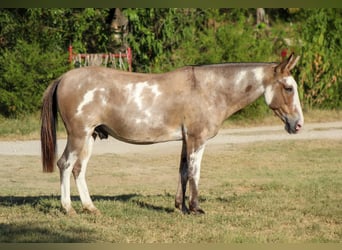


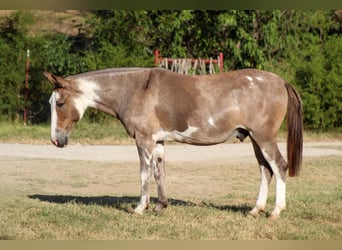
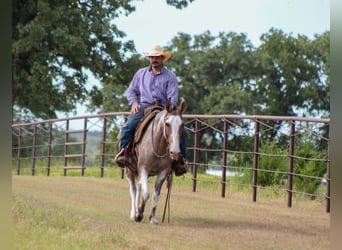

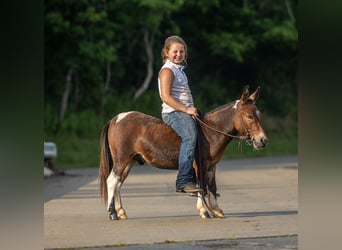
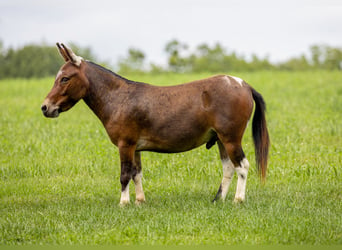
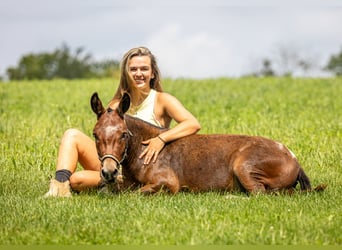
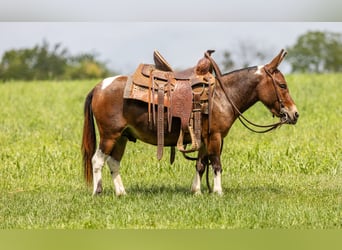
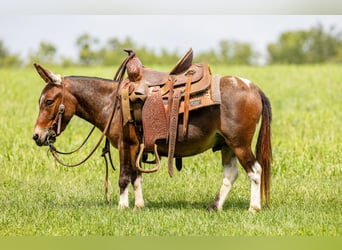
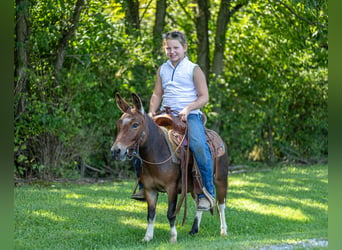
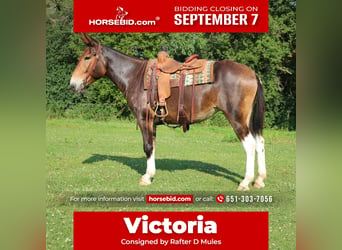
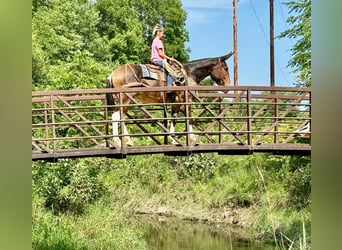
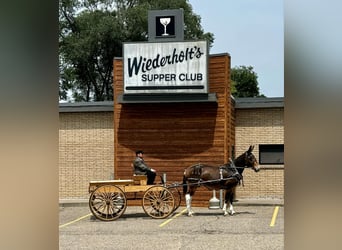
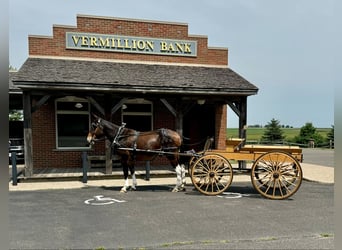
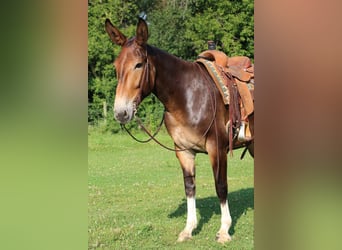
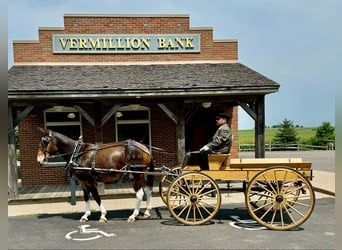
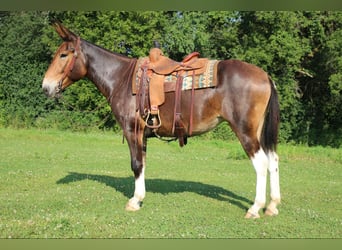
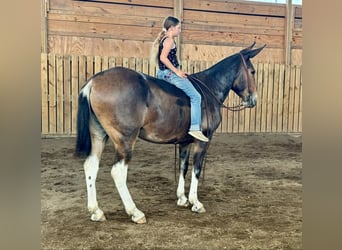
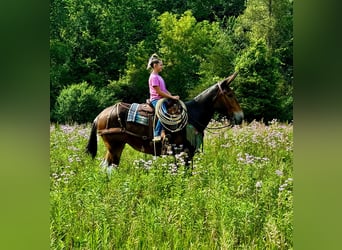
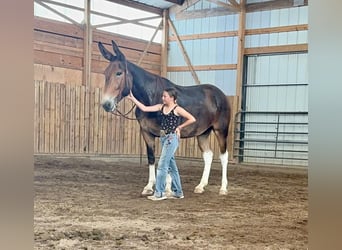
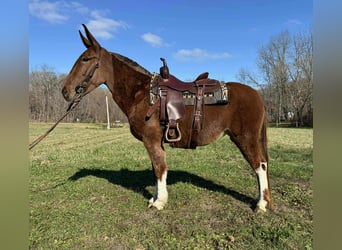
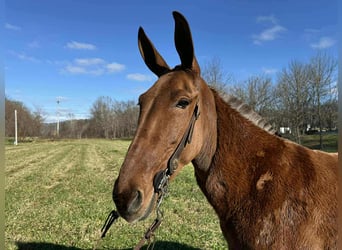
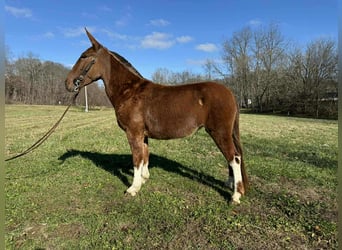
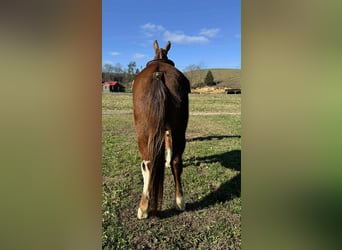
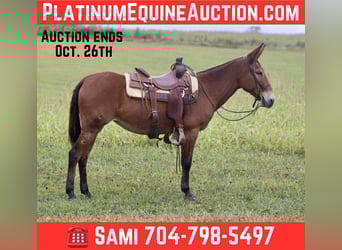
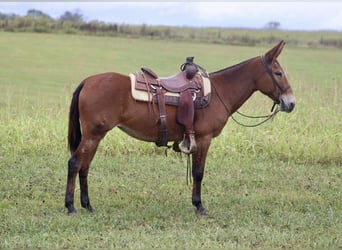
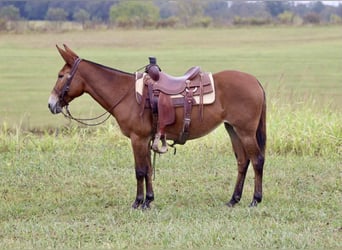
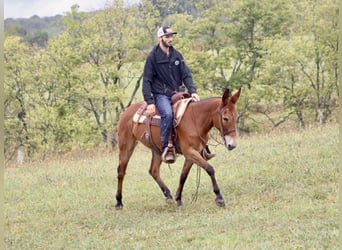
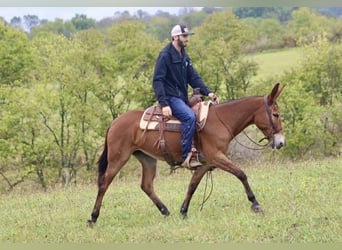
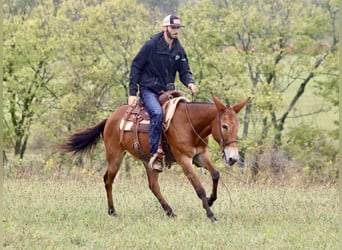
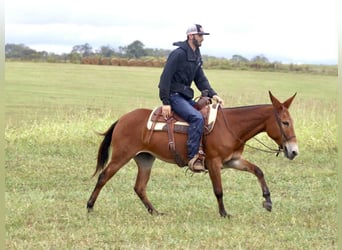
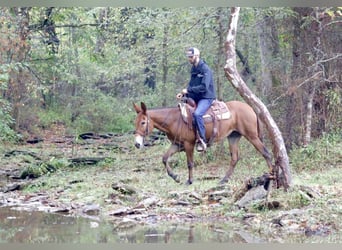
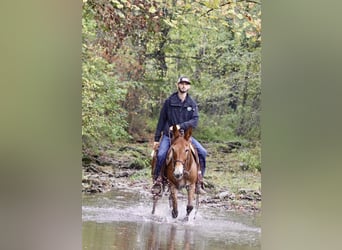
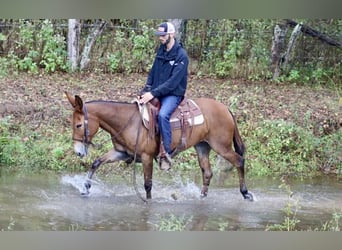
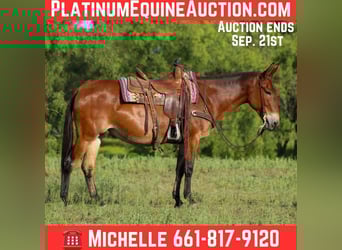
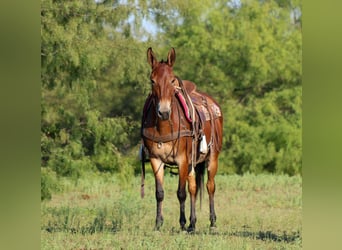
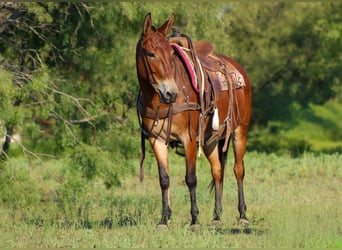
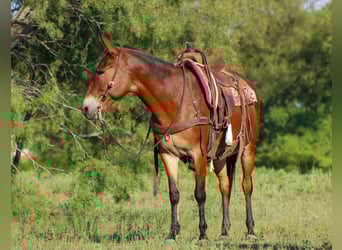
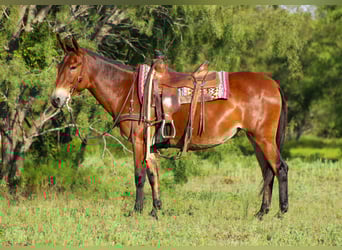
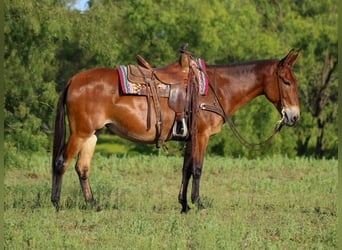

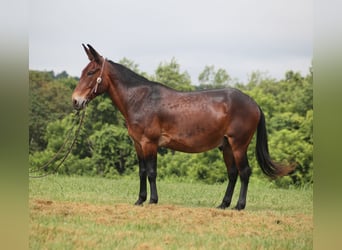
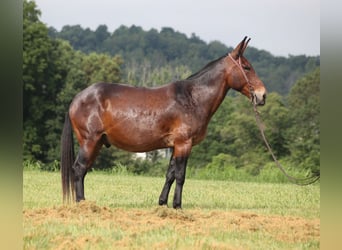
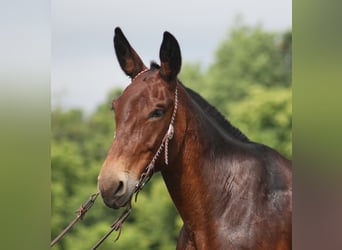
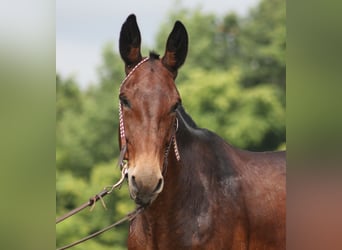
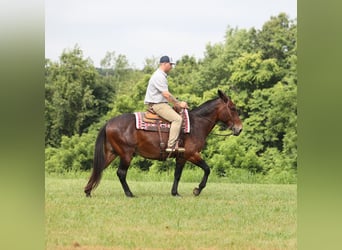
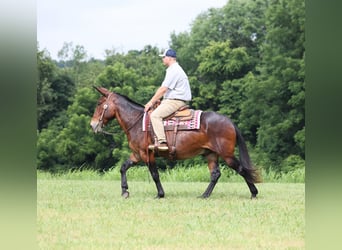

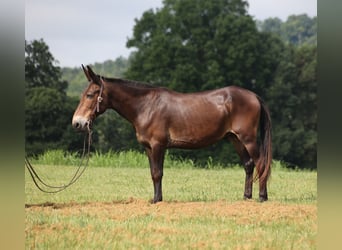
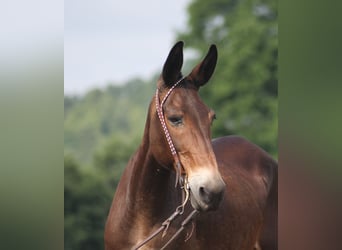
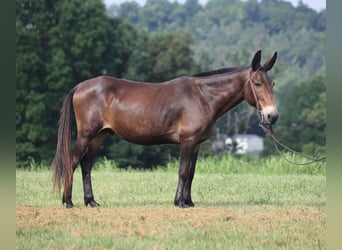
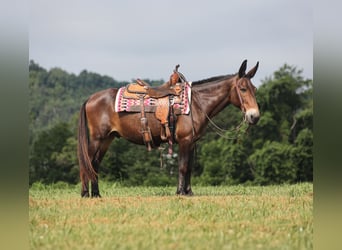
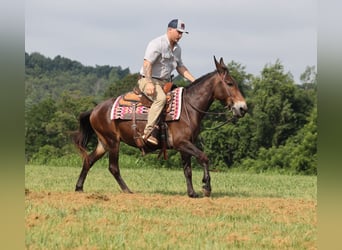
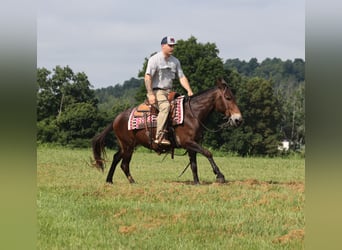
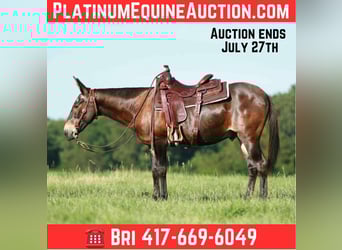
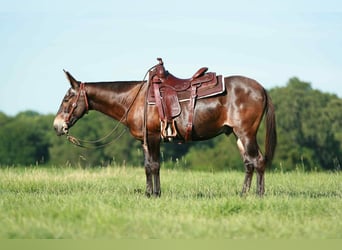
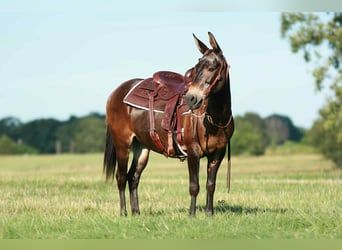
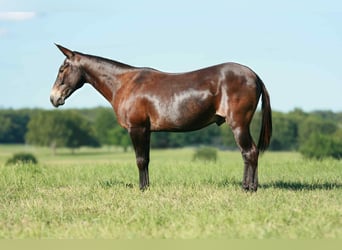
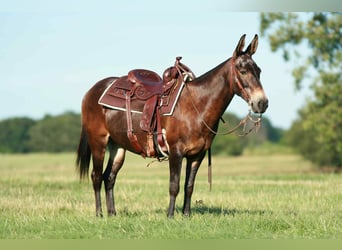
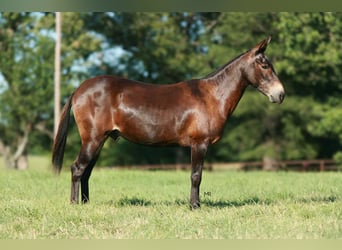
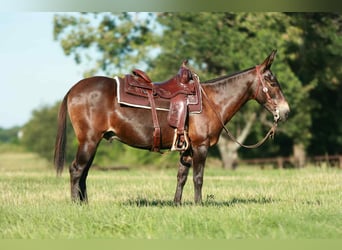
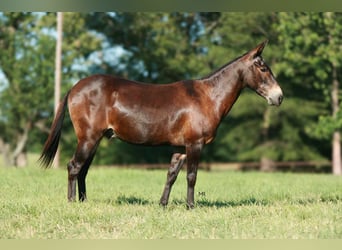
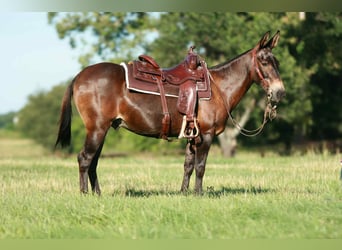
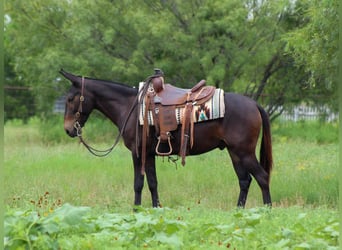
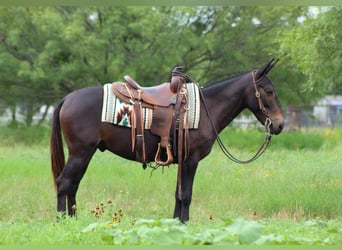
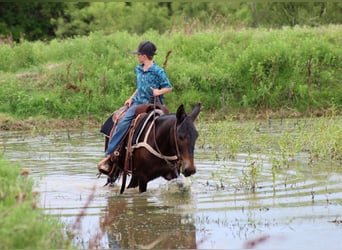
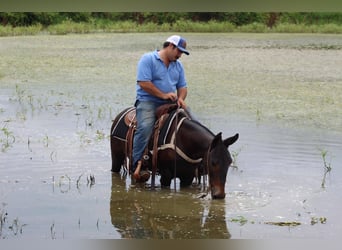
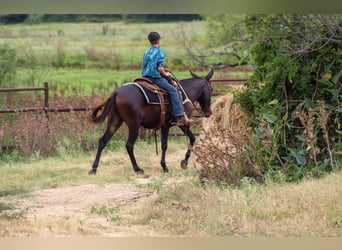
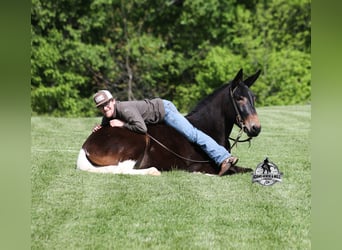
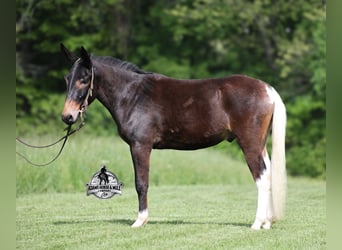
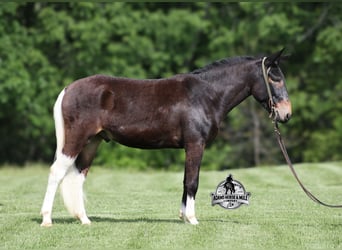
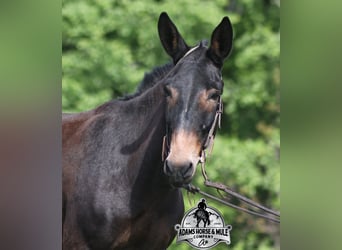
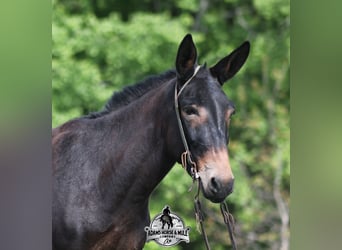
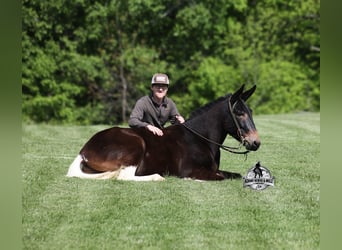
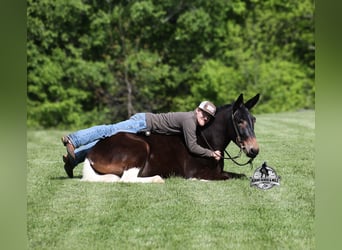
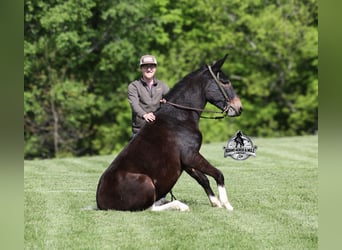
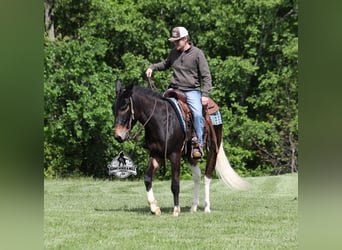
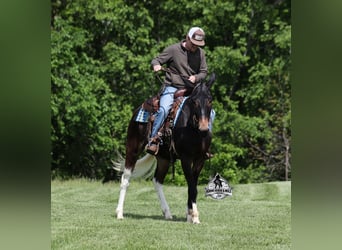
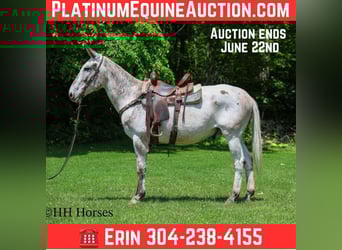
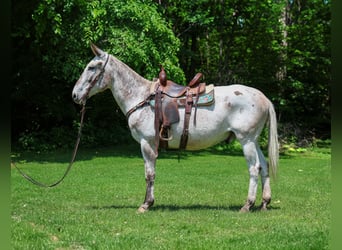
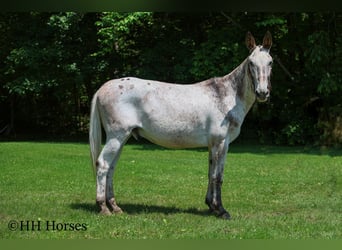
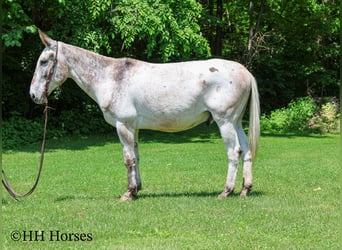
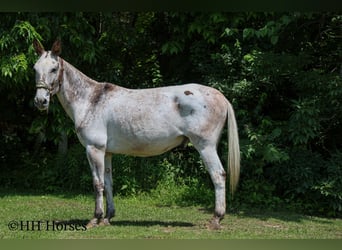
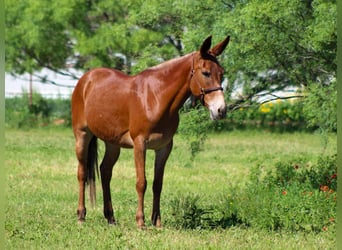
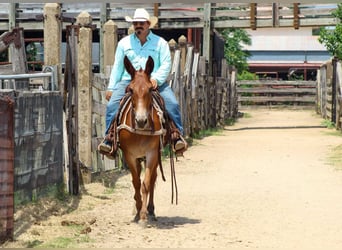
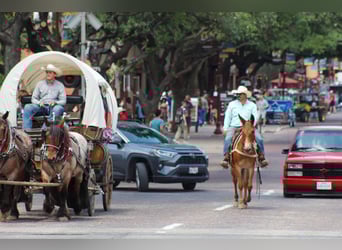
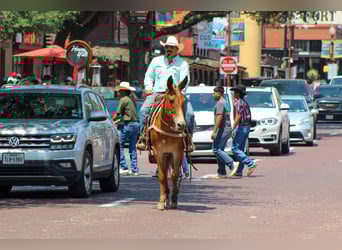
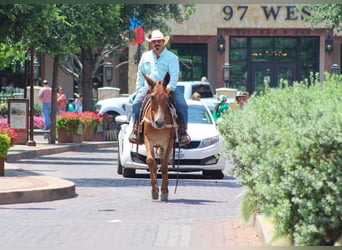
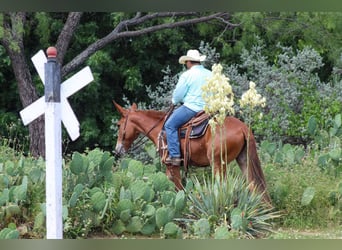

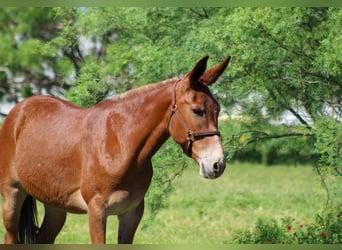
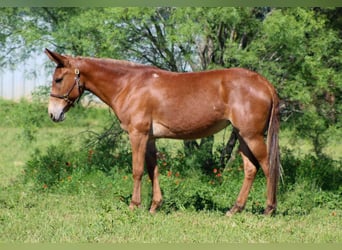
Mules are tough, hard-working hybrids, the result of a cross between a mare (female horse) and a jack (male donkey). For those looking to buy a mule, the best animals take the most desirable characteristics of each parent. The resulting offspring are generally robust and usually around 14 hh – 15 hh (142.24cm – 152.4cm). They vary in appearance according to the mare. Breeders who sell a mule are often specialists, as mules are virtually always sterile, meaning a mule can’t be bred to any other equine. Whether choosing a mule for riding, driving, or pack work, understanding the nature of these special animals is key.
When considering whether to buy a mule, there are two essentials to bear in mind. Mules have a strong sense of self-preservation and very long memories. They bond deeply with humans once they have established trust in them, making it important to match the right mule to the right person. Successful riders can readily sell a mule that can take part alongside horses in popular disciplines such as dressage. Mules have always excelled in endurance events as their hardiness, sure-footedness and dedication to the job is ideal. Their intelligence means mules can tackle many kinds of work and they enjoy training that engages them fully.
Around 4,700 years ago, the Sumerian people in lower Mesopotamia bred hybrids of the Asiatic wild ass, or onager, and domesticated donkeys. When domesticated horses became available around 2,400 BCE, the Sumerians crossed them with the donkeys to produce mules that were much easier to train. Mules were popular, particularly as pack animals, throughout the ancient world. They combined the best characteristics of both horse and donkey. They were bigger, faster and stronger than donkeys, could withstand heat and arid temperature like donkeys and were intelligent, willing, and trainable like horses. Furthermore, they were also more robust and survived on little feed, unlike horses which needed more care. Their physical appearance is a mix of the two, with longer ears being a notable feature.
Mules often appeared on Roman monuments as working animals. In medieval times, clergy often rode mules. By the 19th century, their role as pack animals for the military was well-established. Today, mules participate in many types of equestrian activity alongside horses.
When needing to buy a mule for a particular job, knowing the parentage is important. Most jacks are small, but there are also giant donkey breeds such as the Poitou of France. Hinnies, smaller and finer, have donkey mothers and horse fathers. Mules can be bred from any type of mare. Popular crosses to sell a mule for carriage and farm work include draught horses such as Belgians, or vanner types. Mules have always excelled at pack work, being steady paced and capable of carrying up to 20% of their weight in goods.
Mules are long-lived. On average, they live longer than horses. They excel at endurance riding.
Mules have strong, donkey-like feet and what is known as “hybrid vigour” – strength that comes from crossing two species. Juanita, an endurance mule, completed 8,400 km/5,175 miles in her career from 1978 to 1987. The average weight range is between 370 and 460 kg (820 and 1,000 lb). Their infertility is because mules have 63 chromosomes, a mixture of the donkey's 62 and the horse's 64. However, 1% - 4% of female mules can be fertile, producing very rare equids indeed!