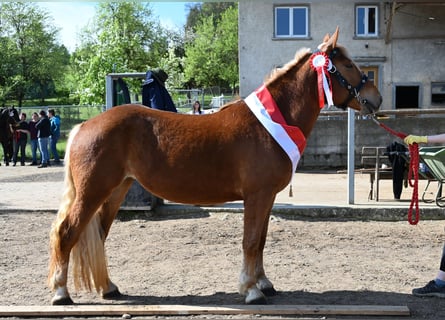
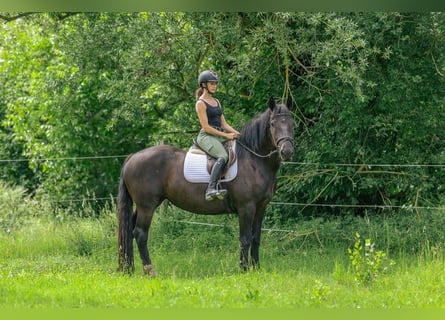
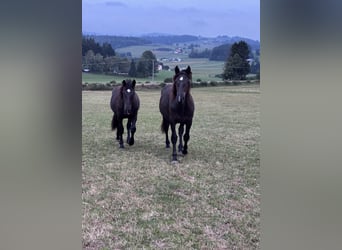
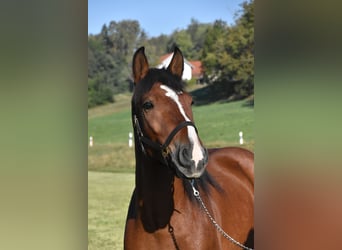
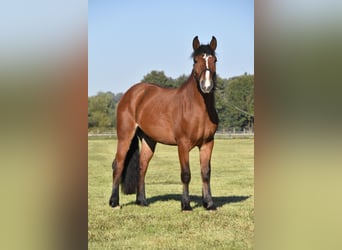
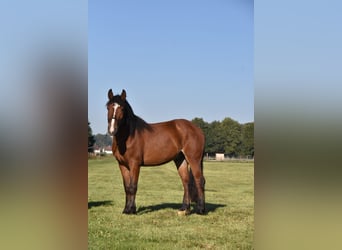
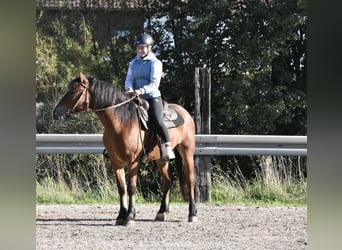
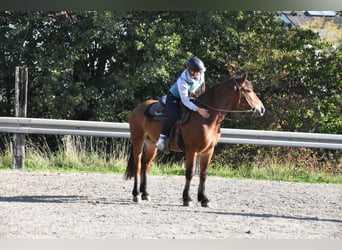
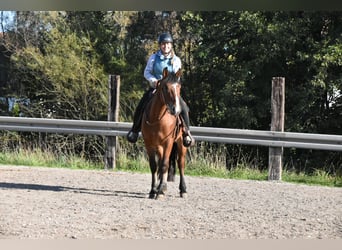
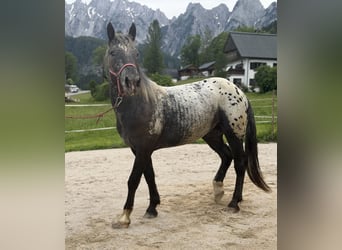
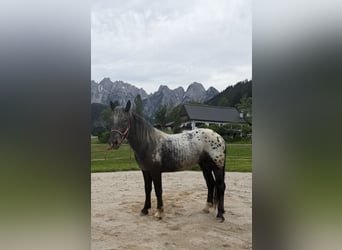
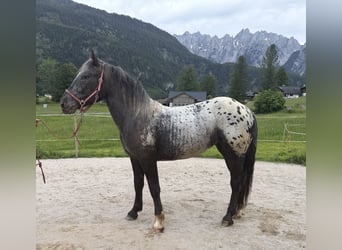
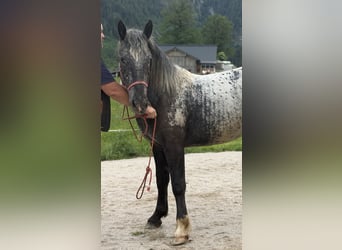
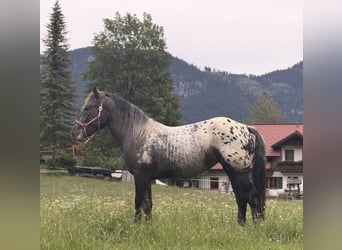
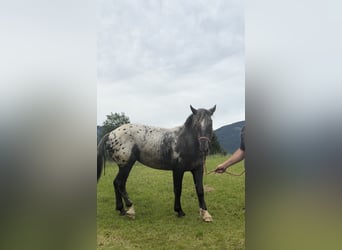
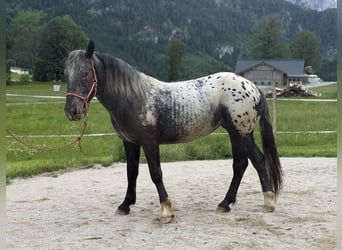
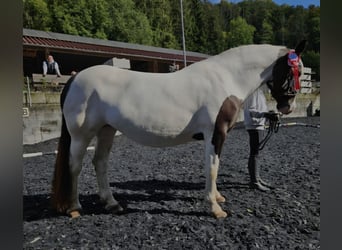
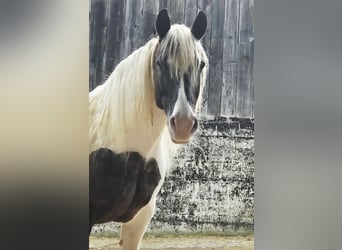
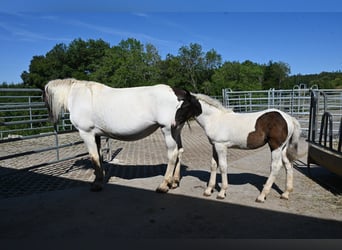
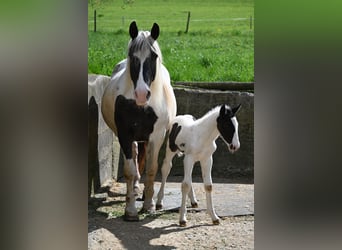
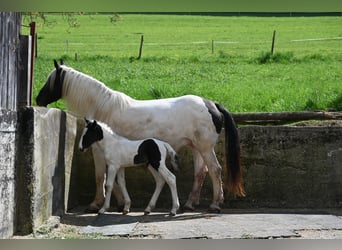
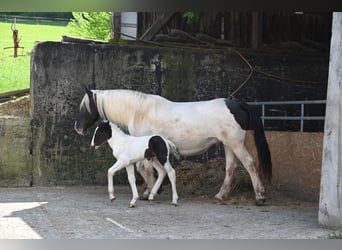
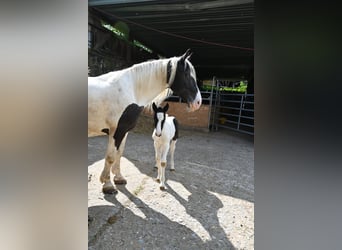
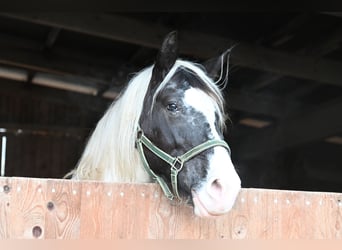
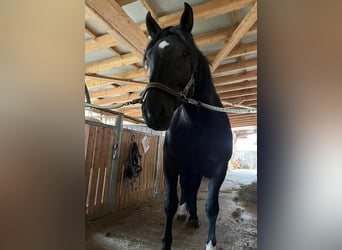
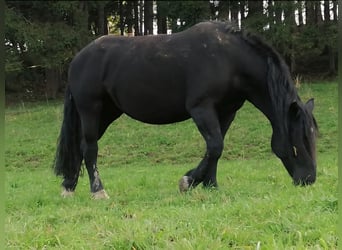
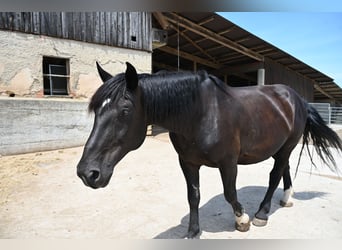
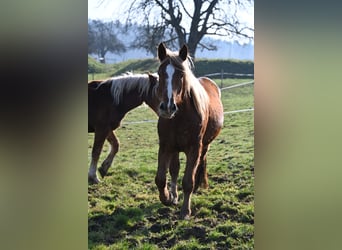
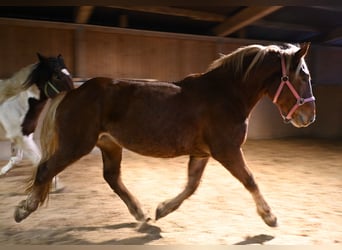
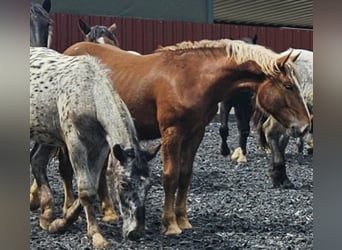
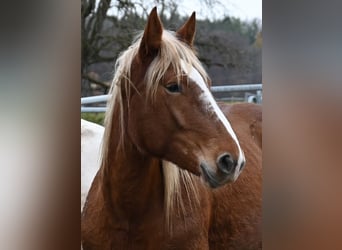
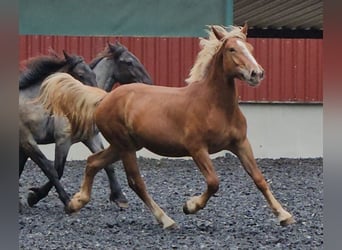
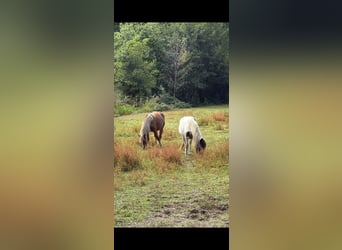
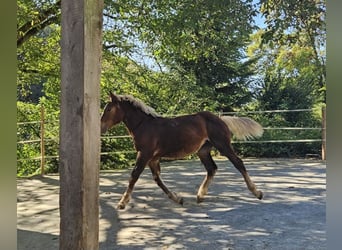
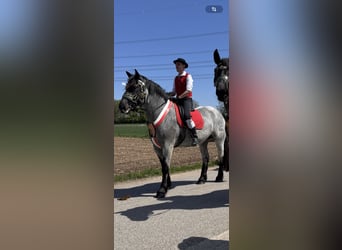
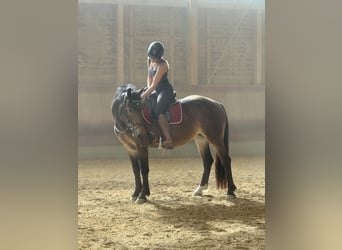
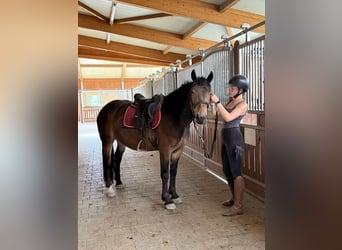
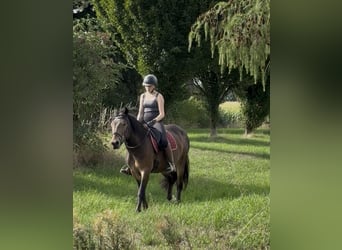
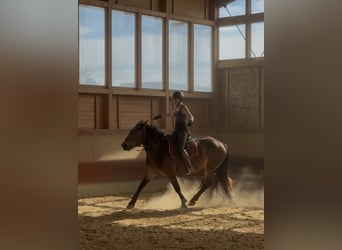
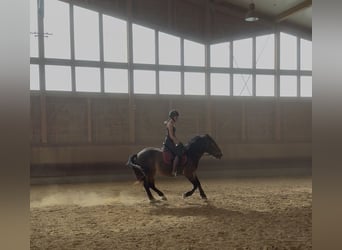
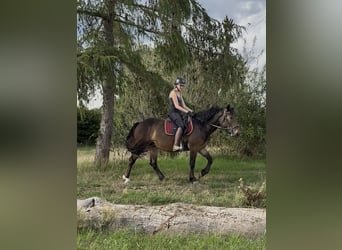
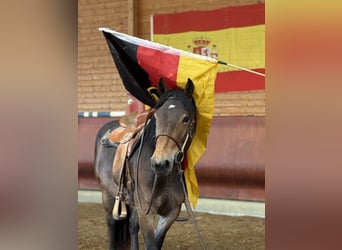
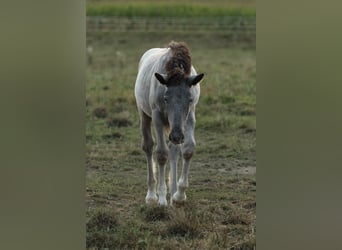
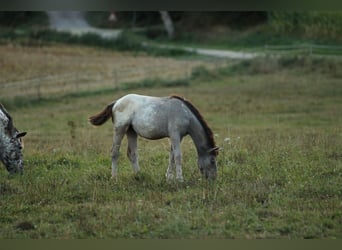
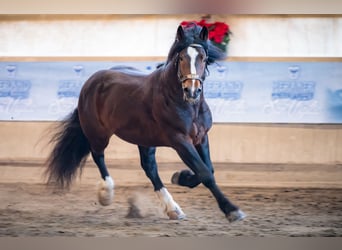
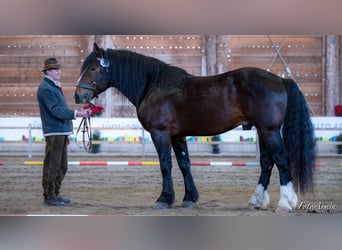
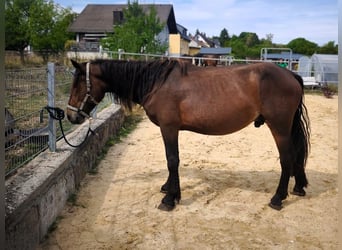
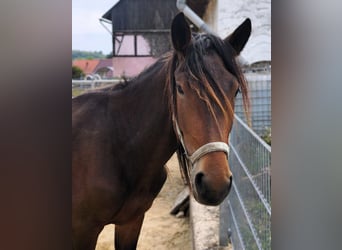
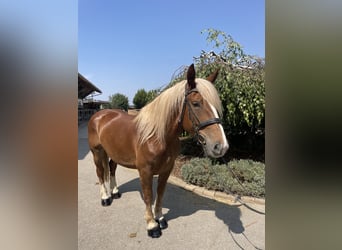
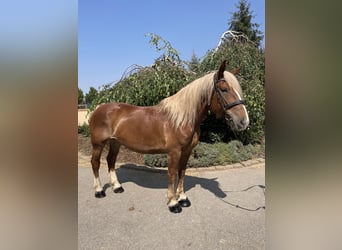
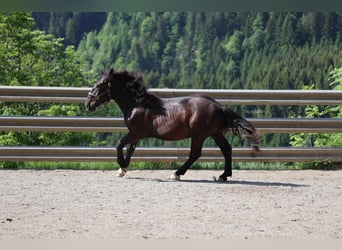
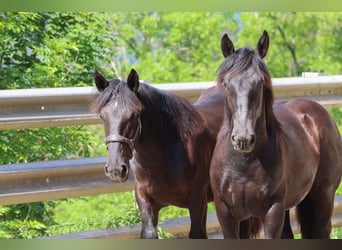
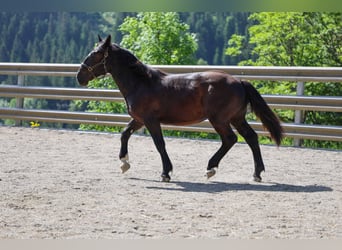
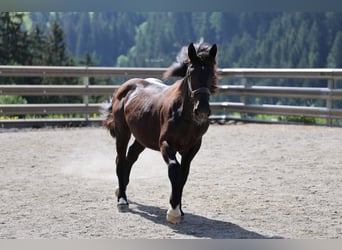
Noriker, Mare, 18 years, 16 hh, Chestnut-Red
Leisure
€4,500
~ £3,914
IT
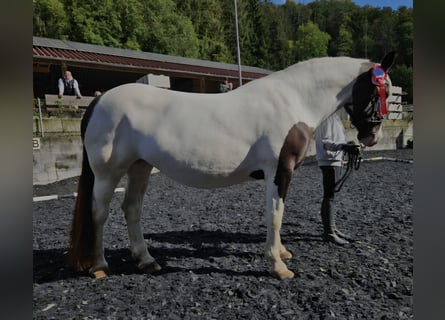
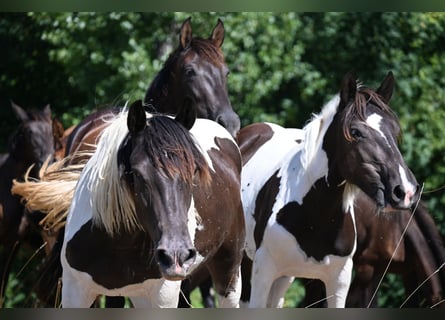
Page-1-Ad
With this option your advertisement will be extra advertised on the top page of search results. It will be listed above the regular search results.
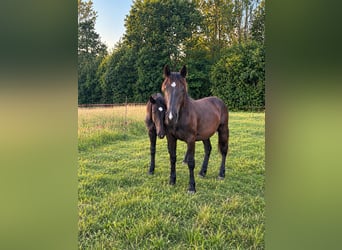
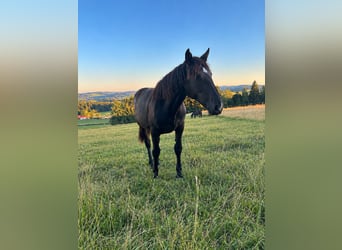
AT
AT
IT
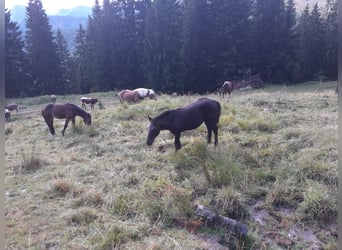
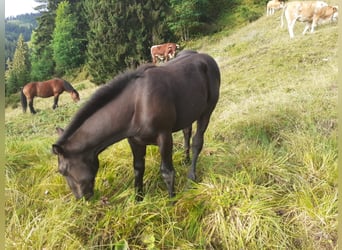
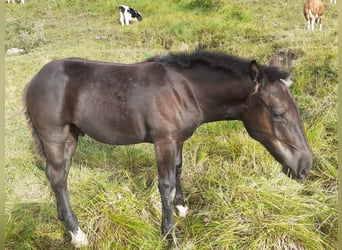

AT
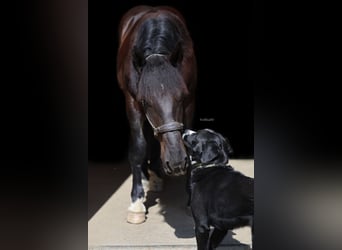
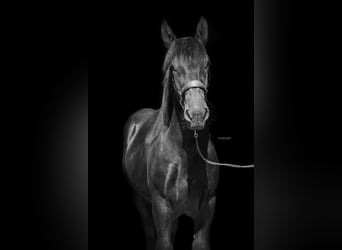
AT
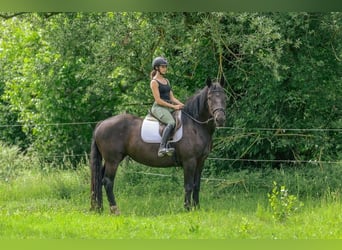
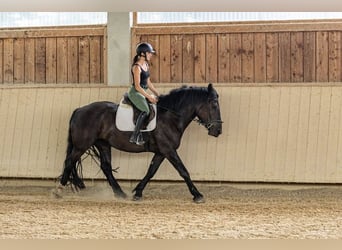
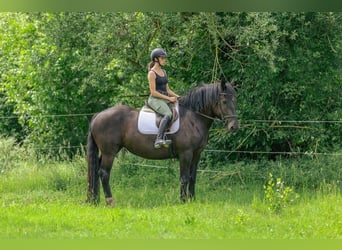
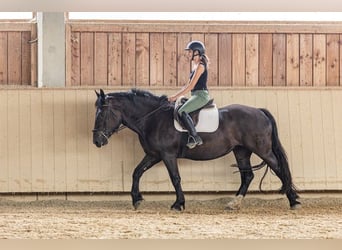
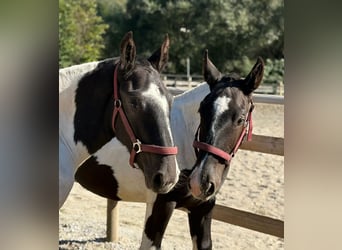
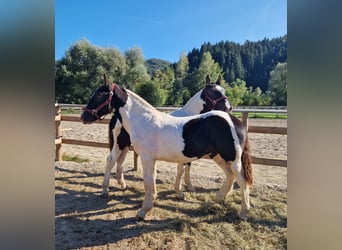
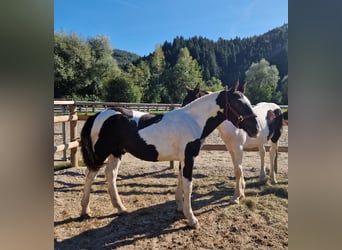
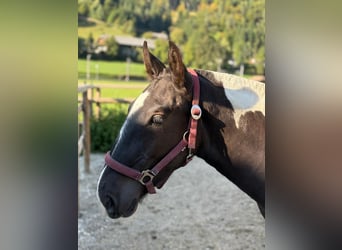
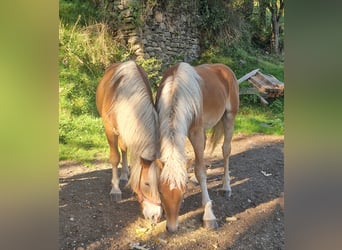
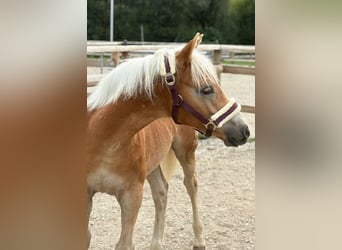
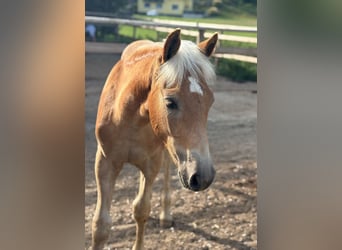
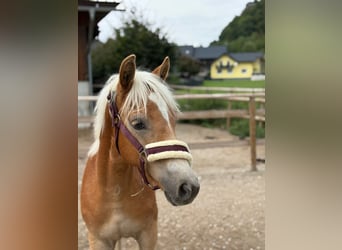
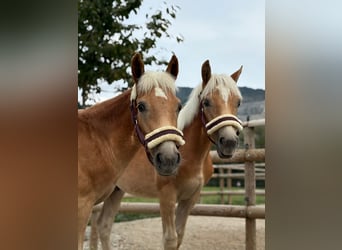
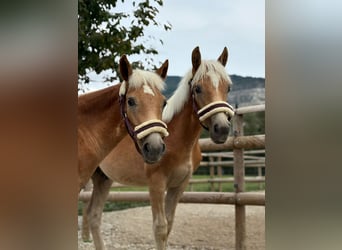
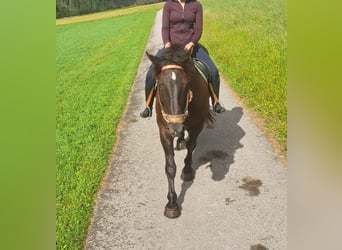
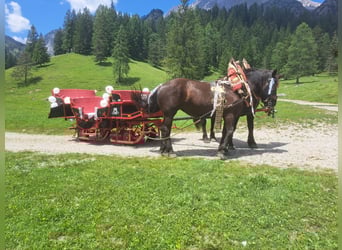

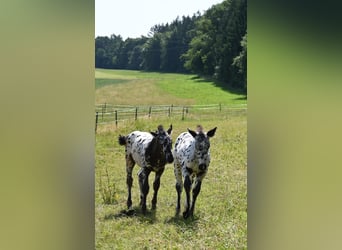
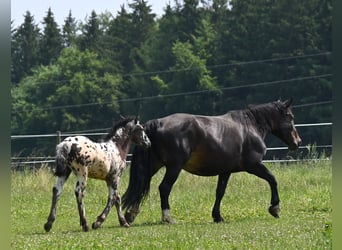
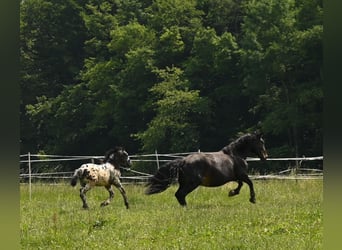
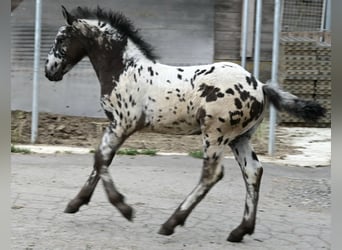
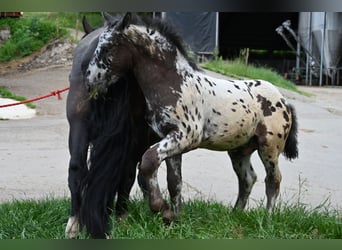
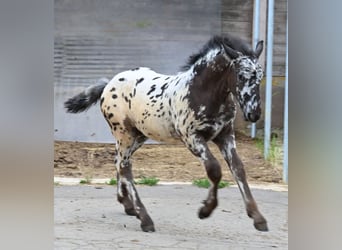
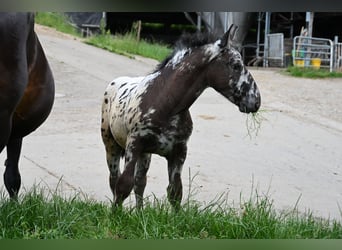
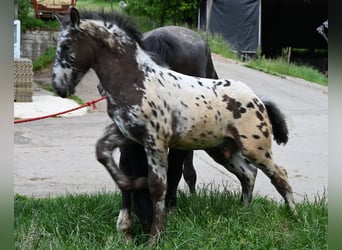
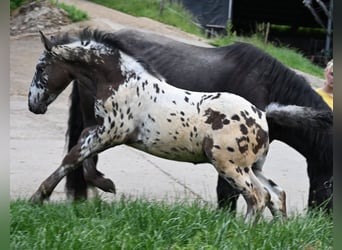
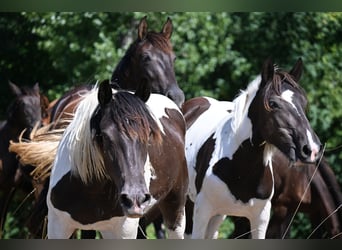
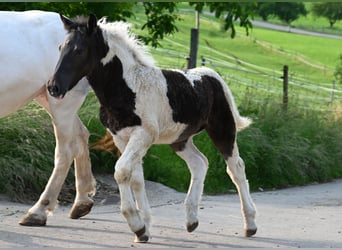

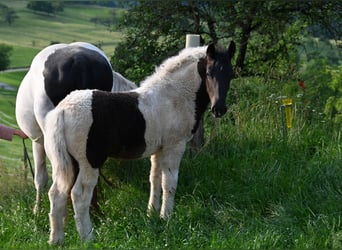


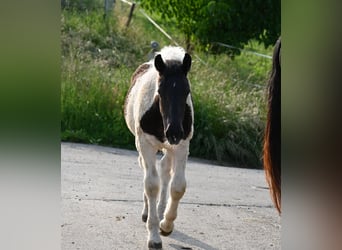
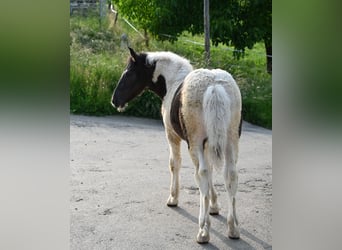
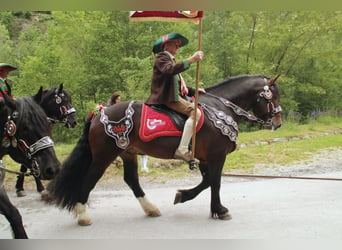
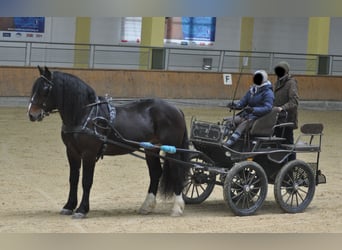
The sturdy Noriker is an Austrian horse breed whose ancestors played a significant part in the history of the region. Frequently described as a moderately heavy draught horse, the Noriker is particularly well adapted to working in the mountains. They are increasingly popular as riding horses too and, for this reason, more people buy a Noriker today than in the past. Most breeders are in Austria and this is the best location to find people who will sell a Noriker. The Noriker still plays an important part as a draught horse today and these striking horses are frequently seen at local festivals and events.
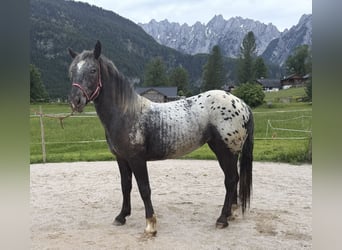
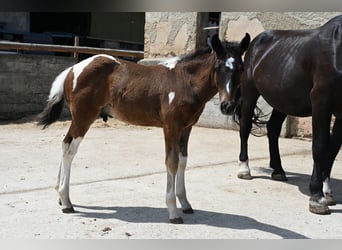
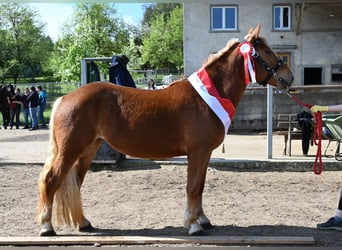
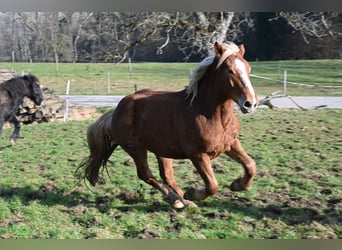
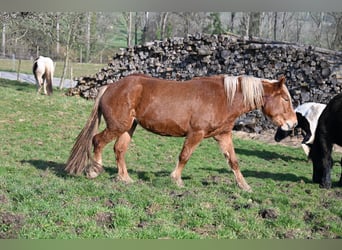
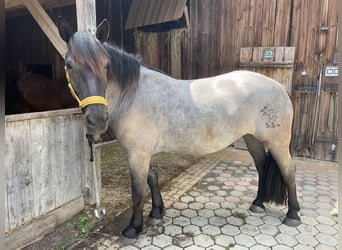
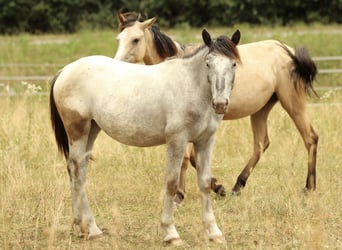
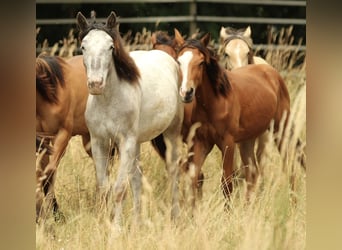
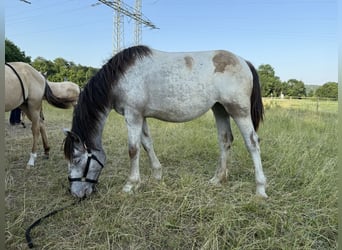
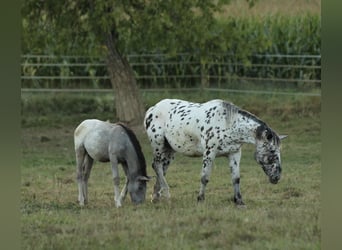
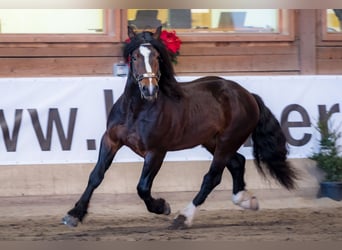
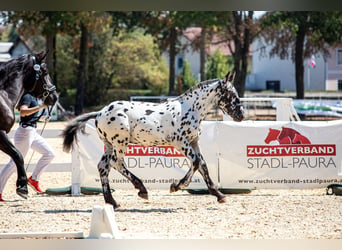
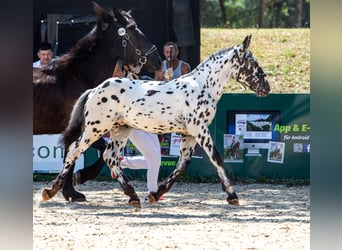
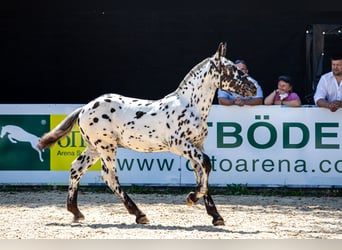
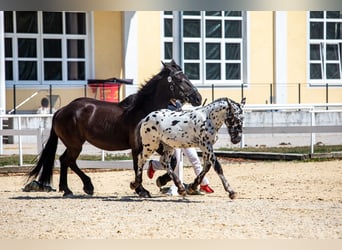
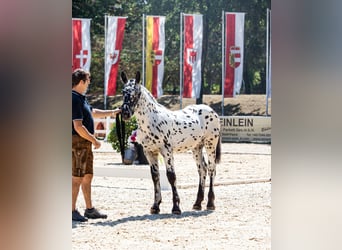
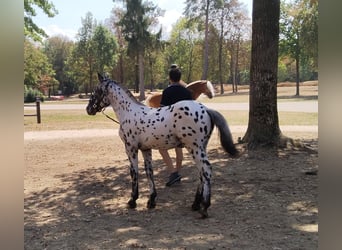
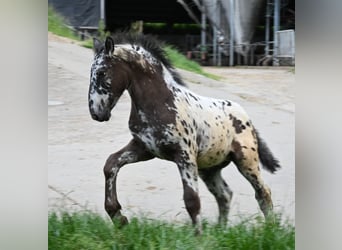
Noriker horses are generally between 15.2 hands (62 inches/158 cm) and 16 hands (64 inches/163 cm) high. The broad chest, muscular neck and long shoulder of the Noriker testify to its draught horse qualities, all important points for those who buy a Noriker as a working horse. The Noriker has the relatively short strong legs required for draught, and these are clean with very little feather. While the basic coat colours include black, bay and chestnut, whenever breeders sell a Noriker of the eye-catching leopard spotted strain there’s always plenty of interest. Norikers also exhibit roan coat colouring such as blue roan.
The heartland of the Noriker breed is the Grossglockner, Austria’s highest mountain. In Roman times, this was a province known as Noricum from which the breed derives its name. However, it wasn’t always known as the Noriker, but also sometimes as the Pinzgauer after an Austrian district of later times. While the early history of the breed is obscure, it is likely that the ancestors of the Noriker were involved in trans-Alpine trade in the Iron Age, carrying salt from northern salt mines to Italy, and carrying back wine on the return trip. The Romans raised quality horses in the Alpine regions, a tradition that continued into medieval and Renaissance times when many religious foundations were famed for breeding horses. Salzburg became an important centre for breeding horses of Noriker type from 1565 onward, using Neapolitan and Iberian stallions which have left a Baroque stamp on the modern Noriker. Right up until the closure of the Noriker stud book in 1903, the aim was to produce a pack and draught horse with qualities that were appropriate for mountain work, including surefootedness, agility and active paces. The relatively small feet of the Noriker in comparison to other draught breeds is another adaptation that assists the Noriker to tackle mountain terrain safely. Coat colours are also an important aspect of the appeal of the breed. Leopard spotted Noriker horses are known as “tiger” horses since historically there was no distinction between the coats of spotted or striped big cats. It was applied to the breed when they were best known as Pinzgauer horses but late in the nineteenth century, they were named Norikers in homage to the Roman history of the region. In the twentieth century, along with other European breeds, Noriker numbers fell drastically, but today they are healthy again, with 10,000 Noriker horses in Austria alone. The breed is also popular in the Alpine regions of Italy. Here it is known and recognised as the Norico-Pinzgauer.
Today, the Noriker has a significant part to play in tourism and local festivals such as the Kufenstechen. An important part of Noriker breeding is the recognition of the different qualities of the five sire lines, the Vulkan-Line, Nero-Line, Diamant-Line, Schaunitz-Line and Elmar-Line.