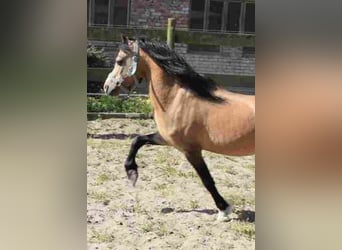
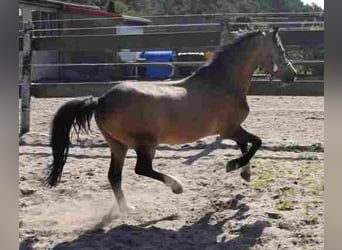
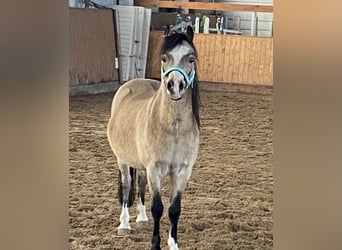
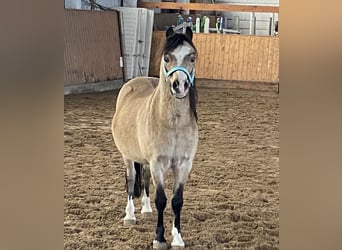
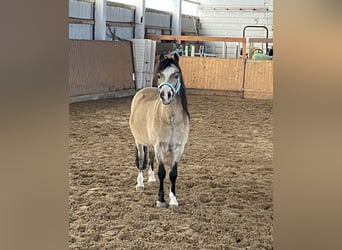
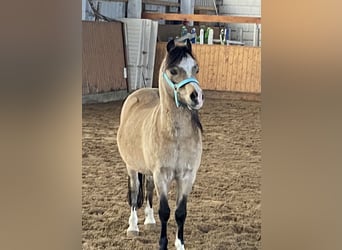
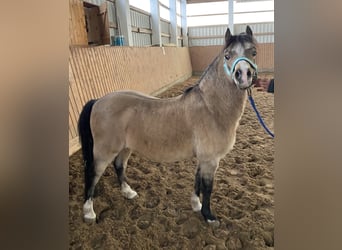
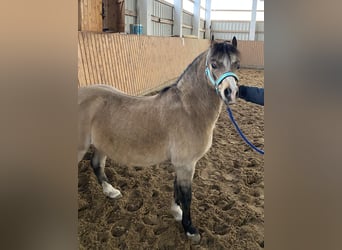
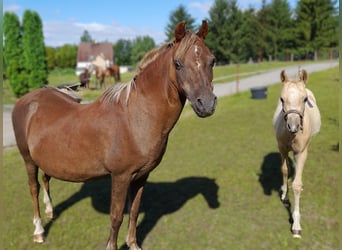
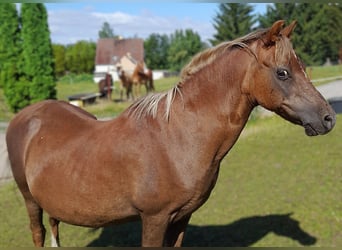
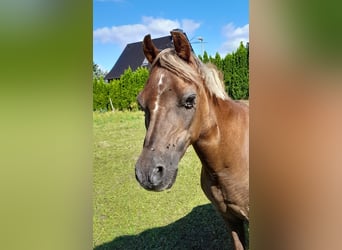
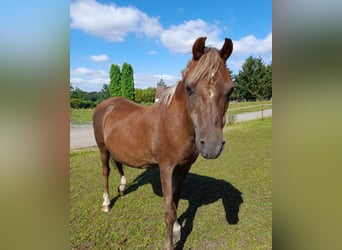
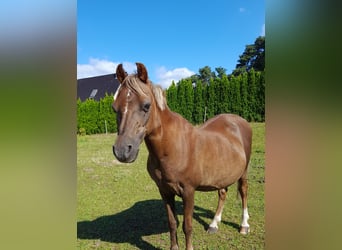
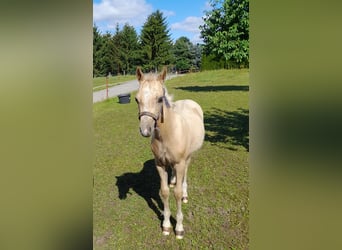
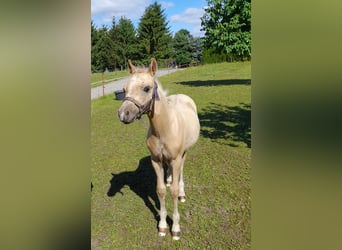
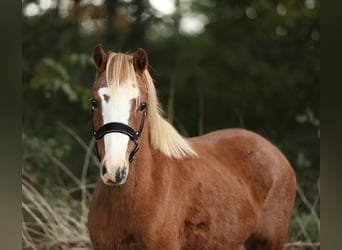
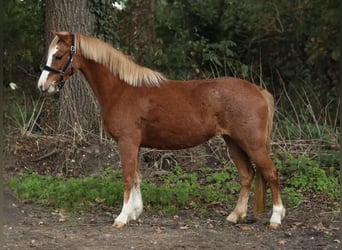
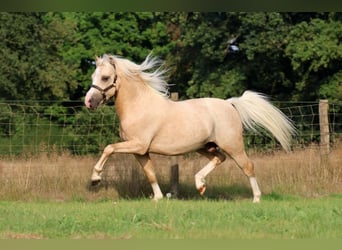
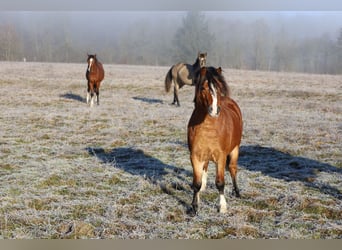
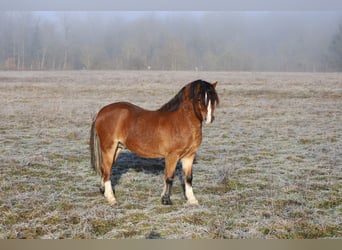
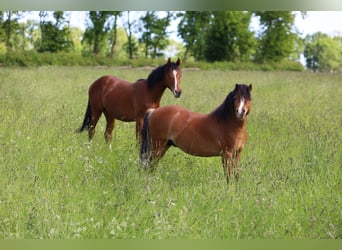
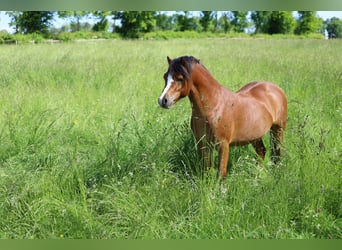
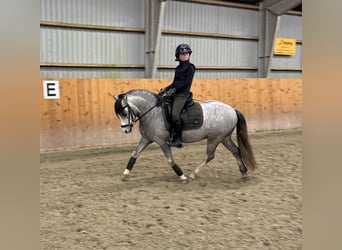
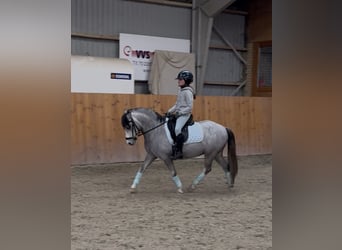
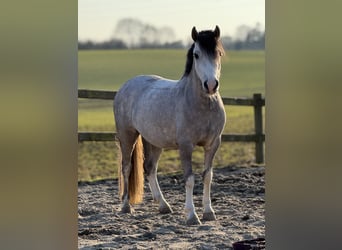
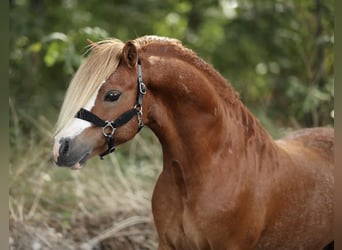
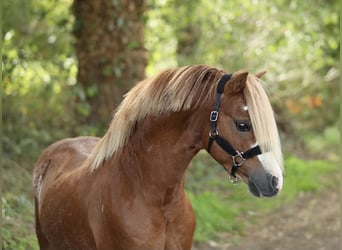
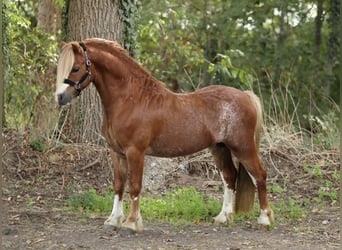
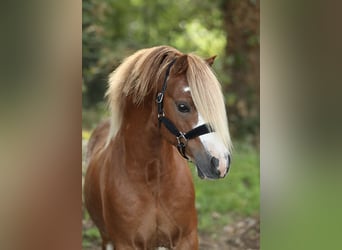
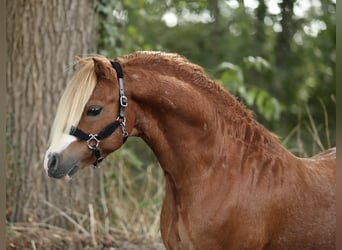
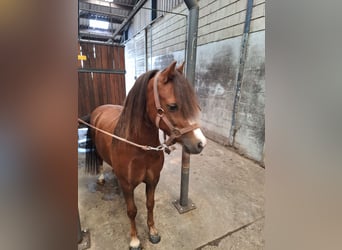
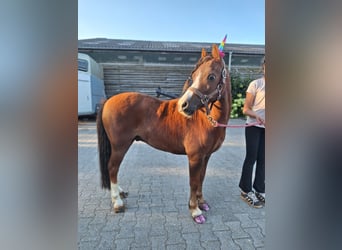
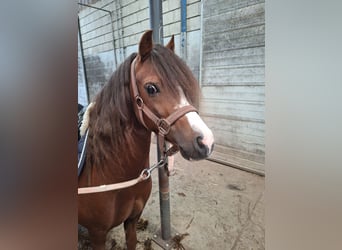
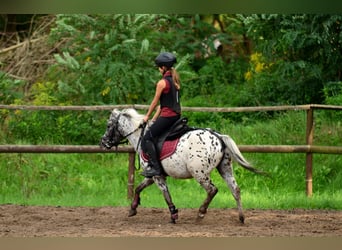
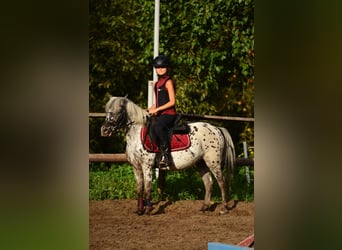
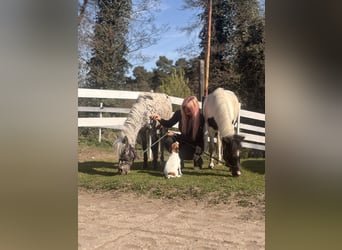
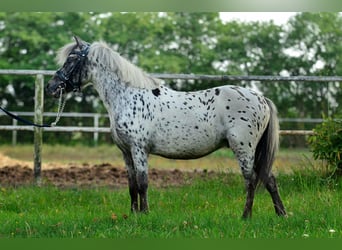
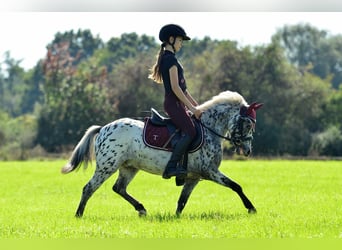
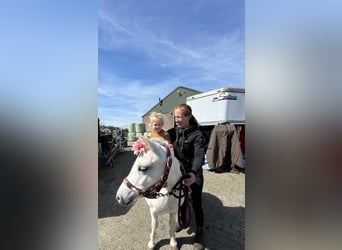
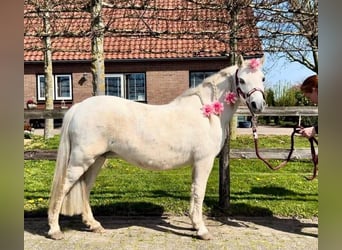
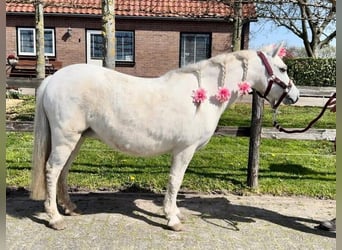
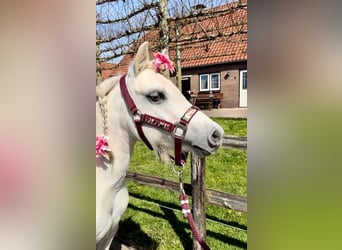
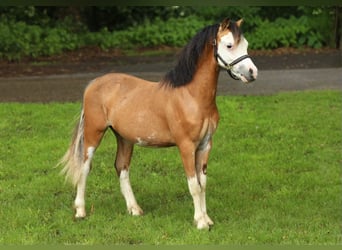
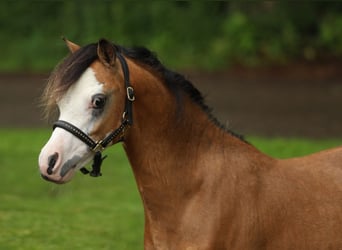
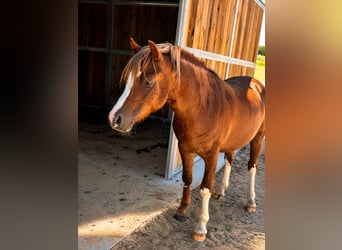
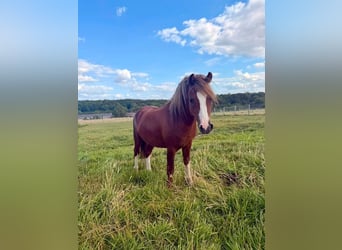
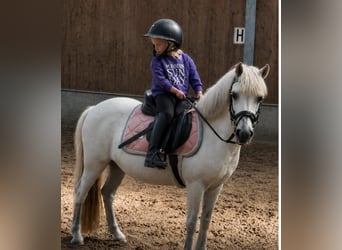
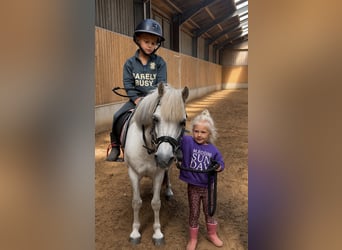
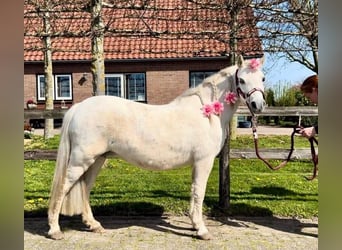
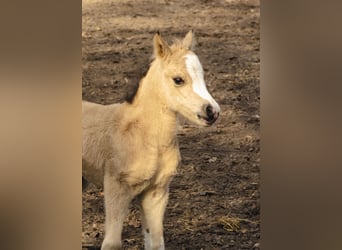
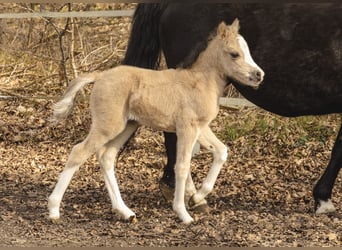
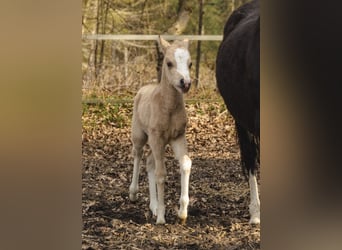
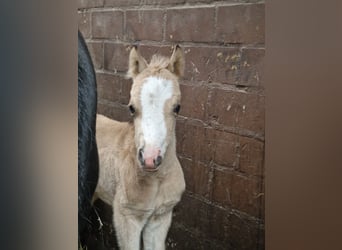
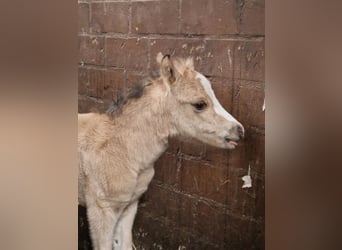
Welsh Section A - horses for sale
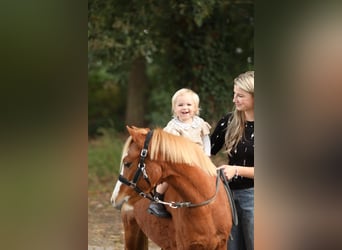
When it comes to beauty and grace, pony-lovers would agree that few breeds compare with Welsh Section A ponies. Also known as Welsh Mountain Ponies, this breed has its origins in the remote mountains of Wales. Families who buy a Welsh Section A know that these long-lived, hardy little animals will be firm favourites with everyone for years to come. Many Section A ponies teach the younger children to ride before being trained as successful driving ponies when they are outgrown. It’s not difficult to buy a Welsh Section A, as they are popular the world over, and studs exist in many countries.
Use and characteristics of the Welsh Section A
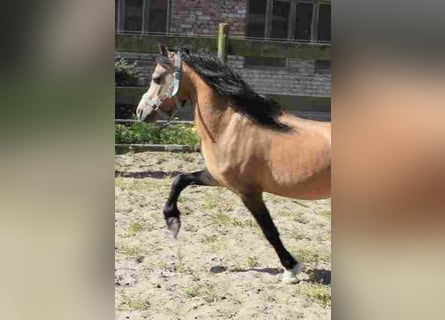
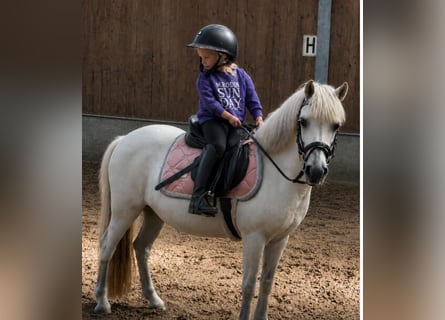
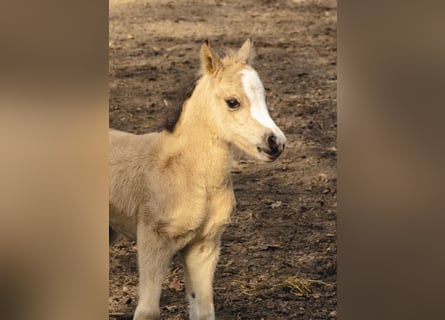
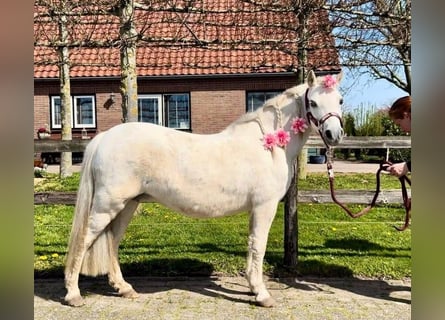
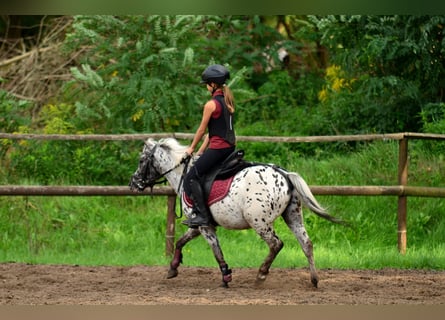
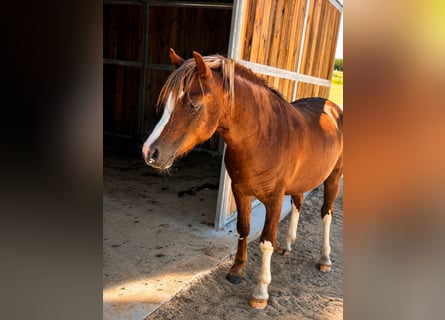
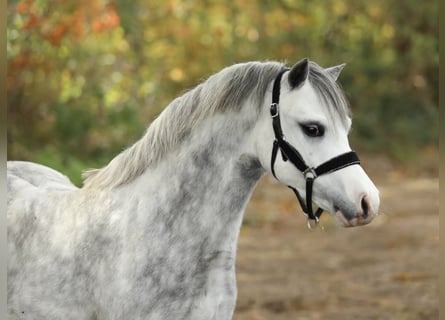
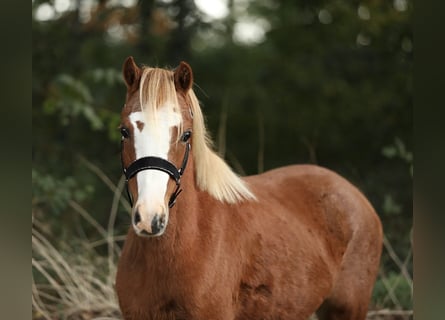
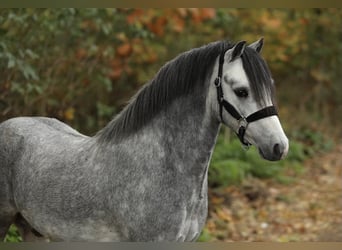
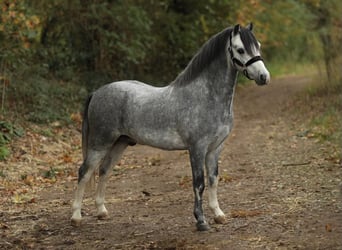
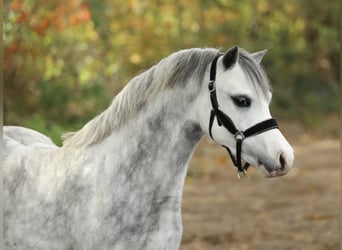
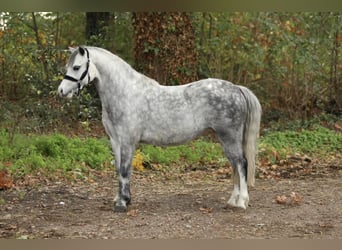
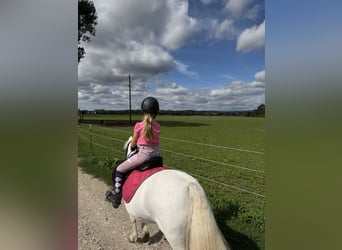
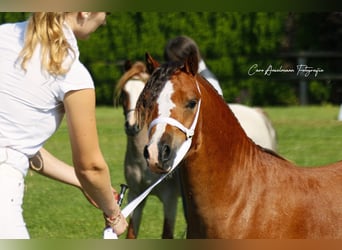
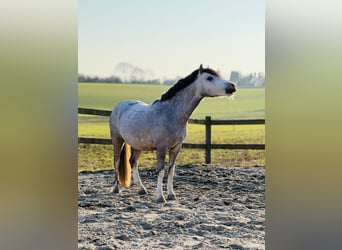
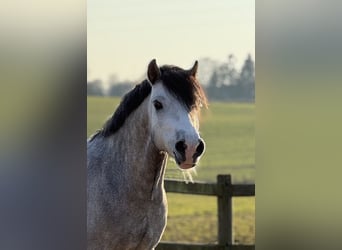
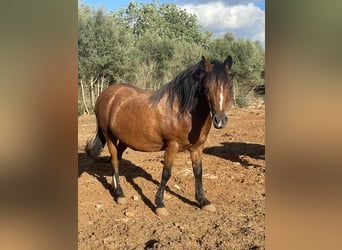
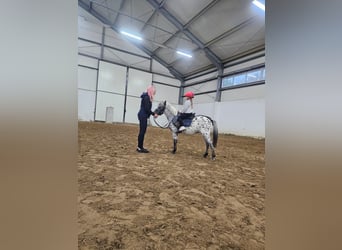
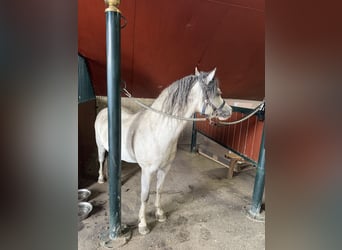
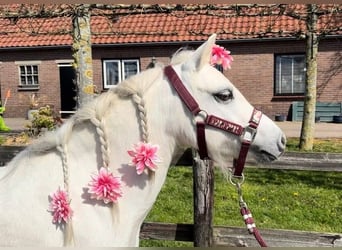
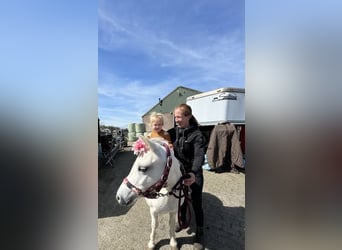
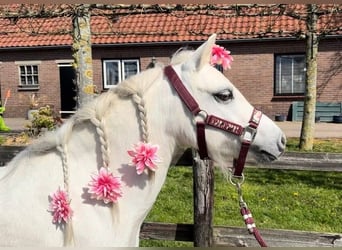
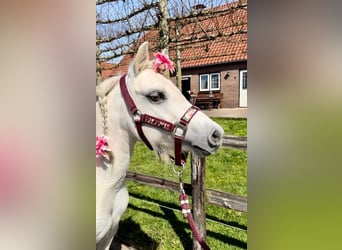
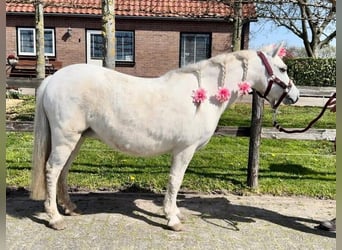
Stunning, friendly and full of character, Welsh Section A Ponies combine the hardiness of their semi-feral ancestors along with all the qualities that are needed in a family pony. More elegant than Shetlands, they make a good lead rein pony for the show ring. Children can then progress to first ridden classes with the same pony as they grow up. Those planning to buy a Welsh Section A should note that height standards differ depending on the registry. In the UK ponies must not exceed 12 hands (48 inches, 122 cm). In the USA, however, purchasers can buy a Welsh Section A up to 12.2 hands (50 inches/127 cm). They can be any colour apart from piebald or skewbald, but grey that lightens to almost pure white is particularly popular.
Origin and history of breeding Welsh Section A Ponies
There may have been ponies living in the Welsh Mountains since the Iron Age or even the Bronze Age. They were certainly known to be living there in medieval times. Welsh ponies and the larger Welsh cobs were used principally for riding and pack work. Their reputation for hardiness and strength was known and appreciated beyond Wales. The original stock was probably provided from the semi-feral herds of the Carneddau Mountains in Snowdonia. Mountain ponies still range there today, much like the ancestors of the modern Section A ponies. Sure-footedness was a noted quality of the ponies of Carneddau, as they roamed a landscape that was rocky and full of ravines in search of nourishment. They became adept at surviving on poor grazing and through freezing winters with several feet of snow. Hardy and agile as goats, the ponies were ideal for use as pack animals and to work on small farms. They were strong and often speedy as well. However, by the sixteenth century, these qualities were no longer what Tudor royalty thought admirable in a horse. King Henry VIII wanted larger war horses and was prepared to pass legislation to cull the smaller animals so that they could not interfere with his plans. It is said that the ponies that lived in the more remote parts of Britain escaped the cull because they were hard to find; and also that those who prized them made sure of their survival!
The ponies continued in their traditional roles for centuries. Then, as Britain became an industrial nation, the smallest ponies of Wales had a new role. Now some of them were working underground as pit ponies not only in the Welsh coalmines, but also in coalmines elsewhere in the country such as those of the Great Northern Coalfield in north east England. Riding and driving horses were still necessary to travel around in the early part of the nineteenth century. Some of the Welsh Mountain ponies were crossed with Arabs and Hackney ponies to produce the type of ponies people then admired for riding and driving. The Section A ponies were bred to have slightly dished faces with large dark eyes like the Arabians.
In the late nineteenth century, two great changes took place. The first was that with the increased use of trains and motorised vehicles, horses and ponies were rapidly becoming redundant as everyday transport. They were still useful in remote areas where rail and surfaced roads had not yet arrived and were still used by shepherds as well as miners for carrying ore. The second was an increase in the horse for leisure and pleasure riding. Like many of the native ponies of Britain, this was now the future for the ponies of the Welsh Mountains and efforts were made to preserve them.
Welsh Section A ponies in equestrianism
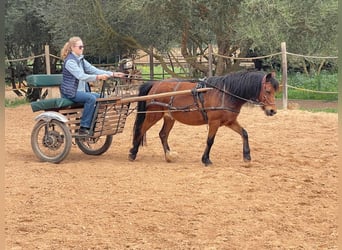
Welsh Section A ponies are the smallest of the four traditional types of Welsh pony or cob. They are highly prized as children’s riding ponies and also for driving. Good quality Section A ponies can command very high prices globally. The Dyoll strain of Welsh ponies was famous in the early twentieth century when a Dyoll stallion was sold to Australia for a record-breaking price to become a foundation sire.